
Tight, Painful Muscles After an Injury? How Manual Therapy Can Improve Mobility and Support Recovery in Newmarket
Tight, Painful Muscles After an Injury? How Manual Therapy Can Improve Mobility and Support Recovery in Newmarket
Muscle tightness and soreness are common after an injury. Whether the problem developed after a sports injury, workplace incident, fall, sudden movement, or repetitive activity, painful muscles can make everyday movements more difficult.
You may notice stiffness when getting out of bed, discomfort while walking, reduced flexibility, or difficulty returning to exercise. In some situations, muscles may also feel guarded or tense because the body is trying to protect an injured area.
For people experiencing Muscles Pain in Newmarket, physiotherapy can involve several approaches depending on the assessment. One option that may be included in an individualised rehabilitation programme is manual therapy.
Manual Therapy in Newmarket may be used alongside exercise, movement retraining, education, and other physiotherapy techniques to support mobility and help you gradually return to everyday activities.
Tight, Painful Muscles After an Injury? Manual Therapy in Newmarket
Why Do Muscles Become Tight After an Injury?
Muscle tightness after an injury can occur for several reasons. The body may naturally change how an area moves to protect it, particularly when movement is painful.
Other factors may include:
- Reduced activity following an injury
- Protective muscle guarding
- Swelling around an injured area
- Changes in movement patterns
- Reduced joint mobility
- Repeated or excessive loading
- Returning to activity too quickly
Not every case of muscle pain has the same cause. A physiotherapy assessment can help identify which factors may be relevant to your symptoms.
1. Protective Muscle Guarding
After an injury, muscles surrounding the affected area may become tense or guarded. This can make movement feel restricted or uncomfortable.
For example, someone with an injured shoulder may unconsciously tighten surrounding muscles when reaching overhead. Similarly, discomfort in the lower back may cause a person to move more cautiously when bending.
Physiotherapy in Newmarket can assess how you are moving and determine whether muscle guarding, reduced mobility, weakness, or other factors may be contributing to your limitations.
2. Reduced Movement Can Increase Stiffness
After an injury, people often reduce their activity because certain movements hurt. While temporary activity modification may be appropriate, prolonged inactivity can contribute to stiffness and reduced physical capacity.
You may notice difficulty with:
- Bending
- Reaching
- Walking
- Climbing stairs
- Rotating your body
- Getting up from a chair
- Returning to exercise
The goal of rehabilitation is generally to help you gradually restore appropriate movement rather than forcing painful movements.
3. How Manual Therapy May Help Mobility
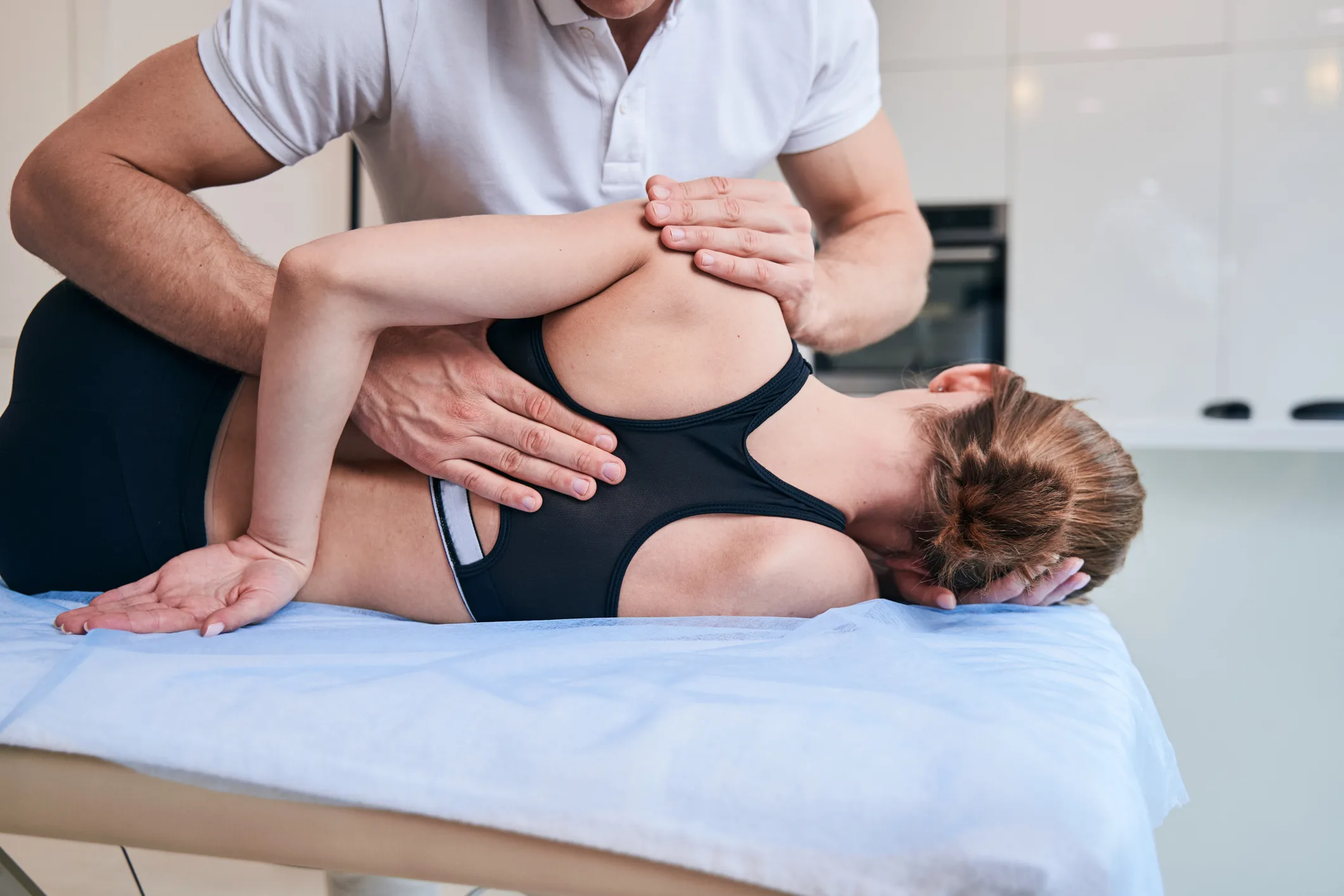
Manual therapy involves hands-on techniques applied by a qualified healthcare professional to muscles, joints, or other soft tissues.
Depending on the assessment and treatment goals, Manual Therapy in Newmarket may be used to support movement and address areas of stiffness or discomfort.
Potential goals may include:
- Improving short-term mobility
- Reducing the feeling of stiffness
- Supporting comfortable movement
- Preparing an area for exercise
- Helping you participate in rehabilitation activities
The effects can vary from person to person, and manual therapy is generally considered one component of a broader rehabilitation plan rather than a standalone solution.
4. Manual Therapy and Exercise Can Complement Each Other
Hands-on treatment may help make movement more comfortable, but rehabilitation often also involves active exercises.
For example, after an injury, a physiotherapist may combine manual techniques with exercises designed to improve:
- Strength
- Flexibility
- Joint mobility
- Balance
- Coordination
- Functional movement
Physiotherapy in Newmarket can help determine which exercises are appropriate based on your injury, current abilities, and goals.
This combination allows treatment to address both immediate movement limitations and the physical capacity needed for longer-term recovery.
5. How Manual Therapy May Support Different Injuries
Muscle tightness can occur alongside many types of injuries. Depending on the situation, manual therapy may be considered during rehabilitation for issues involving the:
- Neck
- Shoulders
- Back
- Hips
- Thighs
- Calves
- Arms
- Forearms
For individuals experiencing Muscles Pain in Newmarket, the appropriate treatment depends on the cause of the symptoms rather than simply where the muscle feels sore.
A detailed assessment can help distinguish between muscle-related discomfort and symptoms that may require further medical investigation.
6. Manual Therapy Before Exercise
Some people find movement difficult because an area feels stiff or uncomfortable.
In selected cases, manual therapy may be used before exercise as part of a treatment session. The intention may be to help the person move more comfortably so they can participate in their prescribed exercises.
For example, someone recovering from a shoulder injury may receive appropriate hands-on treatment followed by controlled shoulder mobility exercises.
Manual Therapy in Newmarket can therefore be incorporated into a rehabilitation session rather than replacing active movement.
7. Why Individualised Treatment Matters
Two people can experience similar muscle pain but have very different underlying factors.
One person may have reduced mobility after several weeks of inactivity, while another may have pain because they returned to sport too quickly. Someone else may have an injury that requires medical assessment before certain rehabilitation techniques are considered.
A physiotherapy assessment may look at:
- Injury history
- Pain behaviour
- Range of motion
- Muscle strength
- Joint mobility
- Functional movement
- Work requirements
- Sports and exercise activities
- Previous injuries
At IAM Physiotherapy Clinic in Newmarket, treatment can be tailored according to your individual symptoms, functional limitations, and recovery goals.
What Can You Do at Home?
Your physiotherapist may recommend specific exercises or activity modifications based on your condition.
General principles may include:
Keep Moving Within Comfortable Limits
Complete appropriate daily movements rather than remaining completely inactive, unless a healthcare professional has advised otherwise.
Progress Gradually
Suddenly returning to intense exercise after an injury can place additional demands on tissues that are still rebuilding capacity.
Follow Your Exercise Programme
Active rehabilitation can help develop strength, mobility, coordination, and confidence with movement.
Pay Attention to Your Symptoms
If a particular activity consistently causes increasing pain, swelling, weakness, or loss of function, discuss it with your healthcare professional.
Tight, Painful Muscles After an Injury? Manual Therapy in Newmarket
When Should You Seek Physiotherapy for Muscle Pain?
Consider a physiotherapy assessment if muscle discomfort or stiffness:
- Persists after an injury
- Limits your daily activities
- Makes exercise difficult
- Reduces your range of motion
- Interferes with work
- Keeps returning when you resume activity
- Is accompanied by weakness or movement limitations
For people experiencing Muscles Pain in Newmarket, an assessment can help determine whether the symptoms appear to be related to muscles, joints, movement patterns, or another underlying issue.
Seek prompt medical attention after significant trauma, particularly if there is severe pain, major swelling, deformity, inability to use the affected limb, significant weakness, numbness, or other concerning symptoms.
Returning to Normal Activities After an Injury
Recovery does not always mean waiting until every symptom disappears before doing anything. Instead, rehabilitation often focuses on gradually rebuilding movement and physical capacity according to the individual’s condition.
A rehabilitation programme may progress through:
- Managing the initial symptoms
- Restoring comfortable movement
- Reintroducing appropriate strengthening
- Improving functional movement
- Increasing activity gradually
- Returning to work, exercise, or sport
The exact progression depends on the injury and individual response.
With Physiotherapy in Newmarket, rehabilitation can be adjusted as your movement, strength, and activity tolerance change.
Frequently Asked Questions
1. Can manual therapy help tight muscles after an injury?
Manual Therapy in Newmarket may help address certain mobility restrictions or feelings of stiffness. Its suitability depends on the type of injury and assessment findings.
2. Is manual therapy enough to recover from an injury?
Manual therapy is generally one part of rehabilitation. Depending on the injury, treatment may also include strengthening, mobility exercises, movement retraining, education, and gradual activity progression.
3. How long does muscle pain last after an injury?
Recovery time varies considerably depending on the type and severity of the injury, the tissues involved, activity demands, and individual factors. Persistent or worsening symptoms should be assessed by an appropriate healthcare professional.
4. Can physiotherapy help if my muscles remain tight after an injury?
Yes, depending on the cause. Physiotherapy in Newmarket may help assess mobility, strength, movement patterns, and activity tolerance and develop an appropriate rehabilitation programme.
5. Should I exercise when my muscles hurt after an injury?
The appropriate level of exercise depends on the injury. Some gentle movement may be appropriate, while certain injuries require temporary activity modification. A physiotherapist can provide individual guidance.
6. Where can I get help for muscle pain in Newmarket?
You can discuss persistent muscle pain or post-injury stiffness with IAM Physiotherapy Clinic in Newmarket to determine whether an assessment may be appropriate.
Take the Next Step Towards Better Mobility
Tight and painful muscles after an injury can affect how you walk, work, exercise, and complete everyday activities. While some stiffness can occur during recovery, persistent limitations may benefit from professional assessment.
If you are experiencing Muscles Pain in Newmarket, a physiotherapy assessment can help identify factors that may be affecting your movement and determine which rehabilitation strategies may be appropriate.
For selected patients, Manual Therapy in Newmarket may be incorporated with exercise and other treatment approaches to support mobility and functional recovery.
Physiotherapy in Newmarket can provide a structured approach to rebuilding movement, strength, and activity tolerance following an injury.
At IAM Physiotherapy Clinic in Newmarket, treatment can be personalised according to your symptoms, lifestyle, work requirements, and rehabilitation goals.
Our team also helps patients manage back pain, hip pain, ankle pain, foot pain, sciatica, sports injuries, arthritis-related stiffness, and general mobility concerns. Through comprehensive assessments and personalised treatment plans, we help patients achieve better balance, strength, stability, and long-term recovery.
📍 Location: 1065 Davis Dr Unit 3, Newmarket, ON L3Y 2R9, Canada
📅 Book your assessment today: https://iamphysioclinic.com
Disclaimer: This article is intended for general educational purposes only and does not replace medical diagnosis, treatment, or advice from a qualified healthcare professional. Muscle pain can have many possible causes, and appropriate treatment depends on the individual’s condition and assessment findings. Seek prompt medical attention following significant trauma or if you experience severe pain, substantial swelling, deformity, significant weakness, numbness, inability to use the affected area, or other concerning symptoms.