

Introduction
Understanding Persistent Postural-Perceptual Dizziness (PPPD)
typically occur on most days for at least three months and may become more pronounced during upright posture, active or passive movement, and exposure to complex or moving visual information.
PPPD can sometimes develop following an episode of vertigo, a vestibular disorder, a medical illness, or another event that affects balance. Although the original problem may improve, the nervous system can continue to respond differently to movement and visual information, contributing to ongoing symptoms. PPPD can also occur alongside other vestibular or medical conditions.
People with PPPD may feel uncomfortable while walking through supermarkets, travelling in vehicles, using escalators, navigating crowds, or looking at moving patterns on screens. Symptoms can vary throughout the day and may affect work, social activities, exercise, and confidence with movement.
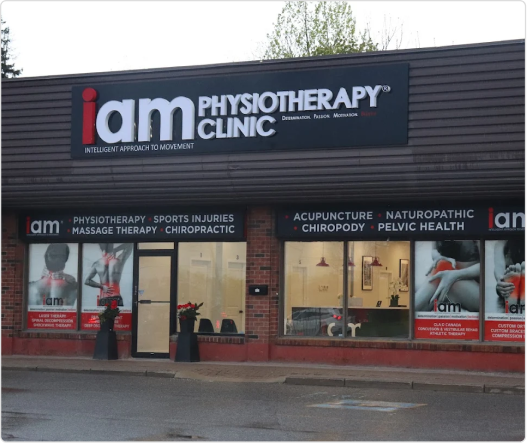
At IAM Physiotherapy Clinic, physiotherapy for persistent dizziness begins with an assessment of your symptoms, balance, walking, movement tolerance, and relevant medical history. The aim is to understand how dizziness affects your daily life and determine whether vestibular rehabilitation may form part of your care.
Our physiotherapy services support individuals from Newmarket, Aurora, Bradford, East Gwillimbury, Richmond Hill, and surrounding York Region communities. When appropriate, we can coordinate recommendations with your physician or other healthcare professionals.
Causes
Common Conditions Associated with Persistent Dizziness
Persistent dizziness can have several possible causes. A thorough assessment helps determine whether symptoms are consistent with PPPD or may be related to another condition.
- Persistent Postural-Perceptual Dizziness (PPPD) : Ongoing non-spinning dizziness or unsteadiness that may worsen with upright posture, movement, or visually busy environments.
- Benign Paroxysmal Positional Vertigo (BPPV): Brief episodes of spinning triggered by specific head positions, such as rolling over in bed or looking upwards.
- Vestibular Hypofunction: Reduced function of part of the inner-ear balance system, which may contribute to dizziness, blurred vision during head movement, or unsteadiness.
- Vestibular Neuritis: An inner-ear nerve condition that can cause a sudden episode of prolonged vertigo and may be followed by lingering balance symptoms.
- Vestibular Migraine: A condition that can cause dizziness, motion sensitivity, or vertigo, sometimes with headache and sometimes without one.
- Balance and Gait Difficulties: Problems with stability while standing or walking that may occur alongside vestibular symptoms.
- Visual Motion Sensitivity: Discomfort or dizziness triggered by moving scenes, busy patterns, crowds, or visual environments with substantial movement.
- Anxiety-Related Dizziness: Stress and anxiety can interact with dizziness and increase symptom awareness, although dizziness should not automatically be attributed to anxiety.
These conditions can overlap. PPPD cannot be confirmed through symptoms alone, and a healthcare professional may need to assess other possible causes before establishing a diagnosis.
Gaze instability may occur alongside unsteadiness, reduced walking confidence, or difficulty coordinating head and body movements.
- Post-Concussion Vestibular Symptoms
Following a concussion, some individuals experience visual instability, dizziness, and difficulty coordinating head and eye movements during everyday activities.
Approach
How We Support Persistent Dizziness Recovery
Physiotherapy for PPPD is tailored to each person’s symptoms, assessment findings, and ability to tolerate movement. Rehabilitation may include the following approaches when clinically appropriate.
- Vestibular Rehabilitation Assessment: We review your dizziness history, balance, walking, movement sensitivity, and relevant functional difficulties to guide an appropriate rehabilitation plan.
- Graded Movement Exposure: Carefully selected movements and activities may help you gradually improve tolerance to positions or movements that trigger symptoms. Progression is individualised rather than forced.
- Visual Motion Desensitisation: For people with visual motion sensitivity, controlled exposure to selected visual stimuli may be introduced gradually and adjusted according to symptom response.
- Balance Training: Individualised balance exercises can help develop stability and confidence during standing, turning, and everyday movements.
- Gait and Mobility Training: Walking activities may be introduced or progressed to support safer, more comfortable movement in different environments.
- Gaze Stability Exercises: When an assessment identifies a relevant vestibular deficit, specific eye and head coordination exercises may be included.
- Education and Self-Management: Understanding symptom triggers, pacing activities, and following a consistent home programme can support participation in daily life.
- Collaborative Care: When symptoms require further investigation or a combined treatment approach, we may recommend consultation with a physician or another appropriate healthcare professional.
Treatment for PPPD may involve a combination of vestibular rehabilitation, education, psychological strategies such as cognitive behavioural therapy, and medication prescribed by a qualified medical professional when appropriate. Physiotherapy alone may not address every aspect of the condition.
WHY CHOOSE IAM PHYSIOTHERAPY CLINIC
Why Patients Choose IAM Physiotherapy Clinic for Persistent Dizziness Rehabilitation
- Individualised Care: Rehabilitation is planned around your symptoms, daily activities, functional goals, and movement tolerance.
- Focus on Everyday Activities: Treatment may address challenges with walking, turning, shopping, travelling, or managing visually busy environments.
- Gradual Progression: Exercises can be adjusted as your tolerance changes, helping avoid unnecessarily aggressive progression.
- Balance and Mobility Support: Treatment can focus on functional stability, movement confidence, and safer participation in everyday activities.
- Assessment-Led Treatment: Your plan is based on your presentation rather than a standard exercise routine.
- Support for Related Vestibular Symptoms: Where appropriate, treatment can consider coexisting balance or vestibular difficulties.
- Convenient Newmarket Location: Care is available to individuals from Newmarket and nearby York Region communities.
Signs That Should Not Ignore
Signs You May Benefit from Persistent Dizziness Physiotherapy
You may benefit from an assessment if you experience:
- Dizziness or unsteadiness on most days for several weeks or longer.
- A rocking, swaying, floating, or non-spinning sensation.
- Increased symptoms while standing or walking.
- Dizziness when moving your head or changing direction.
- Discomfort in supermarkets, shopping centres, crowds, or visually busy environments.
- Motion sensitivity when travelling in a car or using public transport.
- Difficulty concentrating on moving screens or scrolling content.
- Reduced confidence with walking, exercise, or daily activities because of dizziness.
- Persistent balance symptoms after an episode of vertigo or another vestibular condition.
- Avoidance of activities because you are concerned about triggering dizziness.
These symptoms can occur for different reasons. An assessment by an appropriate healthcare professional is important to identify possible causes and determine whether vestibular physiotherapy is suitable.
Seek urgent medical attention for sudden or severe dizziness accompanied by symptoms such as difficulty speaking, facial drooping, new weakness or numbness, double vision, inability to walk, a sudden severe headache, chest pain, or fainting. Sudden new hearing loss also requires urgent medical assessment.
Importance Of Vestibular Physiotherapy
Benefits of Physiotherapy for Persistent Dizziness (PPPD)
When appropriate for your condition, a personalised physiotherapy programme may help with:
- Improved Movement Tolerance: Gradual rehabilitation may help you manage selected movements that previously triggered dizziness.
- Better Balance and Stability: Balance exercises may support steadier movement during everyday activities.
- Greater Confidence with Walking: Individualised gait training can help address difficulties with walking and changing direction.
- Improved Visual Motion Tolerance: Carefully graded exercises may help some people manage visually busy environments more comfortably.
- Better Understanding of Symptoms: Education can help you recognise symptom patterns and make informed decisions about activity.
- More Consistent Daily Activity: Pacing and graded activity may support a gradual return to selected work, home, and social routines.
- Personalised Home Exercise Guidance: A tailored programme can help you practise appropriate exercises between appointments.
- Support for Functional Goals: Rehabilitation can be structured around meaningful goals, such as shopping, travelling, or returning to exercise.
Progress with PPPD is individual and may take time. Exercises should be adjusted to your response and should not be pushed through severe or prolonged symptom aggravation.
Why Choose
IAM Physiotherapy Clinic


The Next Evolution of Rehab
Precision Movement. Clinical Excellence.
At IAM Physiotherapy Clinic in Newmarket, we blend elite biomechanics with targeted spinal and musculoskeletal recovery. We don’t just treat symptoms—we optimize your body’s physical architecture so you can live without limits.
Book Appointment
Meet Our Award-Winning Team
A Multidisciplinary Team Dedicated to Your Health, Recovery, and Well-Being
At IAM Physiotherapy Clinic, our experienced and registered practitioners work together to deliver personalized care that helps you move better, improve function, and maintain long-term wellness.





Patient Experiences
Real Stories. Real Recoveries.
See what patients say about their recovery journey at IAM Physiotherapy Clinic. Our commitment to expert care and personalized treatment has helped hundreds of patients regain mobility and improve their quality of life.


Expert Physiotherapy Care Starts Here
Book Your Physiotherapy Visit – Simple & Convenient
Our team is here to help you recover from injuries, reduce pain, and improve mobility. Book your appointment today and let our experienced team guide you toward lasting recovery.
- Call Now (289) 466-1140
- Our Location 1065 Davis Dr – Unit 3, Newmarket
- Email Us info@iamphysioclinic.com
Frequently Asked Questions
Gaze Stability & Dizziness Physiotherapy in Newmarket – FAQs
Persistent Postural-Perceptual Dizziness (PPPD) is a chronic vestibular disorder that causes persistent non-spinning dizziness, unsteadiness, or a rocking sensation. Symptoms typically occur on most days for at least three months and may worsen with standing, movement, or visually complex environments. Diagnosis requires an appropriate clinical assessment.
Common symptoms include ongoing dizziness, a floating or swaying sensation, unsteadiness while standing or walking, and increased discomfort in crowded or visually busy environments. Some people also experience motion sensitivity when travelling or looking at moving screens. Symptoms vary from person to person.
PPPD may develop after a vestibular disorder, an episode of vertigo, a medical illness, or another event that affects balance. Symptoms can continue even after the initial problem improves. The condition may involve changes in how the brain processes balance, movement, and visual information. A healthcare professional can help assess possible contributing factors.
Vestibular physiotherapy may help some people with PPPD improve movement tolerance, balance, and management of daily activities. Treatment can include graded movement exposure, visual motion exercises, balance training, education, and a home exercise programme. The plan should be individualised and may form part of a broader treatment approach.
PPPD is diagnosed by a qualified healthcare professional using symptom history, clinical assessment, and established diagnostic criteria. The assessment considers how long symptoms have been present, what triggers them, and how they affect daily activities. Other possible causes of dizziness may need to be investigated.
PPPD symptoms persist for at least three months to meet the usual diagnostic criteria, but the overall duration varies. Some people improve with appropriate treatment and self-management, while others require longer-term support. Recovery depends on several factors, including coexisting conditions and individual symptom patterns.
Yes. People with PPPD may experience increased dizziness or discomfort in supermarkets, shopping centres, crowds, patterned environments, or places with moving visual information. A personalised rehabilitation programme may gradually address visual motion sensitivity where appropriate.
Depending on the assessment, exercises may include graded head and body movements, balance activities, walking practice, and controlled visual motion exposure. Gaze stability exercises may be useful when a relevant vestibular deficit is present. Not every exercise is suitable for every person, so a physiotherapist should tailor the programme to the individual’s symptoms and clinical findings.
No. Vertigo is a symptom describing a sensation of spinning or movement, while BPPV is a specific vestibular condition that typically causes brief episodes of position-triggered vertigo. PPPD usually involves persistent non-spinning dizziness or unsteadiness that can worsen with upright posture, movement, or complex visual input. These conditions can sometimes occur together.
Most extended health insurance plans cover physiotherapy treatment. iam Physiotherapy Clinic also offers direct billing for many insurance providers.
You can book your physiotherapy appointment online through iam Physiotherapy Clinic or contact our team directly for assistance.