
10 Ways Physiotherapy Can Help You Stay Active with Arthritis-Related Knee Pain in Newmarket
Living with arthritis-related knee pain does not mean you have to stop doing the activities you enjoy. Walking around the neighbourhood, exercising, gardening, travelling, spending time with family, or simply moving comfortably throughout the day can remain realistic goals with the right approach.
For people experiencing knee pain in Newmarket, arthritis can make activities such as walking, climbing stairs, standing for longer periods, or getting up from a chair more challenging. Pain and stiffness may also make you less active, which can contribute to reduced strength, endurance, and confidence with movement.
Physiotherapy in Newmarket can help you understand your current limitations and develop a personalised plan focused on improving movement, strength, stability, balance, and activity tolerance.
Here are 10 ways physiotherapy may help you stay active while managing arthritis-related knee pain.
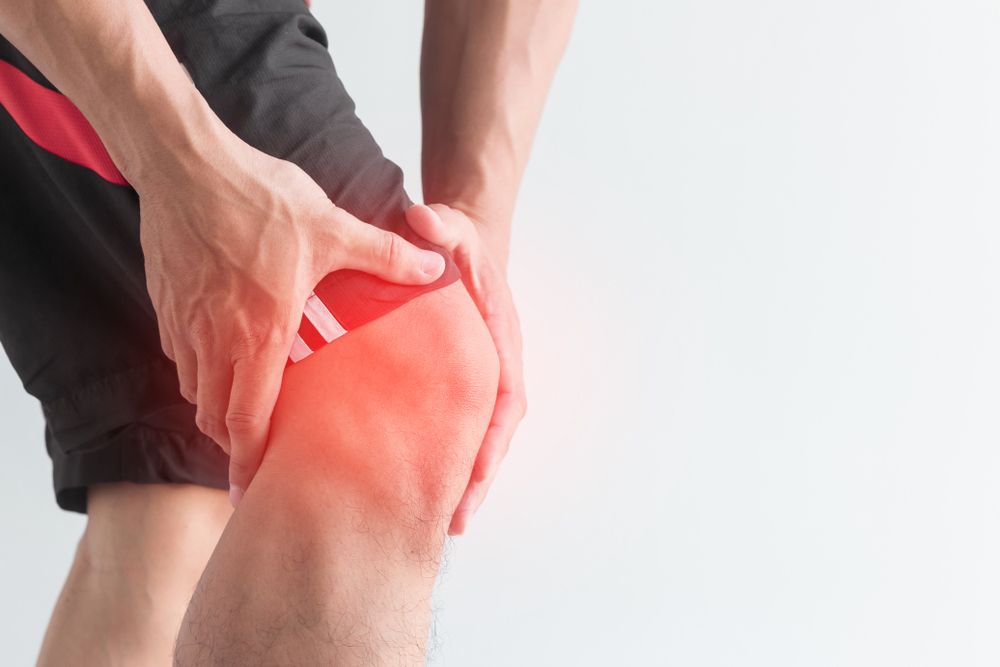
10 Ways Physiotherapy Can Help Manage Arthritis-Related Knee Pain in Newmarket
1. Strengthening the Muscles Around Your Knee
The muscles surrounding your knee play an important role in supporting and controlling your lower limb during movement.
The quadriceps, hamstrings, calves, and hip muscles can all support functional activities such as walking, standing, climbing stairs, and getting out of a chair.
When these muscles become weaker, everyday activities may feel more difficult.
A physiotherapist may recommend exercises such as:
- Sit-to-stands
- Step-ups
- Supported squats
- Leg strengthening exercises
- Glute strengthening
- Calf raises
You can adjust the exercises to your current strength and symptoms, and progress them gradually as your physical capacity improves.
2. Improving Knee Mobility and Flexibility
Arthritis-related stiffness can affect how comfortably you bend and straighten your knee.
Reduced mobility may make it harder to:
- Get into or out of a car
- Sit comfortably
- Stand from a chair
- Walk
- Use stairs
- Perform household activities
Physiotherapy in Newmarket may include gentle mobility exercises designed to maintain or improve comfortable knee movement.
Rather than forcing the joint through painful ranges, exercises can be selected based on your individual needs and tolerance.
Maintaining movement can also make everyday activities easier to perform.
3. Improving Balance and Stability
Good balance is important for staying active, particularly when walking outdoors, navigating uneven surfaces, using stairs, or changing direction.
Knee pain can sometimes affect your confidence and stability when moving.
A physiotherapist may incorporate balance exercises into your rehabilitation program.
These may begin with simple supported activities and gradually become more challenging.
Improving balance can help you feel more confident performing daily activities and participating in physical activity.
4. Helping You Manage Your Activity Level
One of the biggest challenges with arthritis-related knee pain is knowing how much activity is appropriate.
You may have days when your knee feels comfortable and other days when symptoms are more noticeable.
This can lead to an activity-rest cycle where you do too much when you feel good and then significantly reduce activity when symptoms increase.
Physiotherapy can help you develop a more consistent approach to activity.
This may involve adjusting:
- Walking duration
- Exercise intensity
- Number of repetitions
- Frequency of activity
- Recovery periods
- Terrain
Gradually increasing your activity can help build physical capacity without making sudden changes to your routine.
5. Supporting More Comfortable Walking
Walking is one of the simplest ways to remain physically active.
However, arthritis-related knee pain in Newmarket may change the way you walk. You may take shorter steps, slow down, avoid certain surfaces, or put less weight through the affected leg.
A physiotherapist can assess your walking pattern and overall lower-limb function.
Your rehabilitation program may focus on:
- Leg strength
- Hip strength
- Knee mobility
- Balance
- Walking tolerance
- Functional movement
The goal is to help you gradually improve your ability to walk according to your individual capacity and goals.
6. Making Stairs Easier to Manage
Climbing and descending stairs can be particularly demanding when you have knee pain.
Stairs require a combination of strength, balance, coordination, and controlled movement.
If you regularly use stairs at home or work, avoiding them completely may not be practical.
Physiotherapy can include exercises that help prepare you for stair-related activities.
These may include:
- Step-ups
- Step-downs
- Supported squats
- Leg strengthening
- Balance exercises
As your strength and control improve, exercises can be progressively adjusted to match your functional needs.
7. Helping You Return to Exercise
Arthritis-related knee pain does not automatically mean that you need to stop exercising.
In fact, staying physically active can be an important part of maintaining strength and function.
Your physiotherapist can help identify activities that are appropriate for your current abilities and goals.
Depending on your individual situation, these might include:
- Walking
- Cycling
- Strength training
- Low-impact exercise
- Mobility exercises
- Balance training
The focus should be on finding activities that you can perform consistently and progress appropriately.
If a particular activity repeatedly aggravates your symptoms, discuss it with your physiotherapist rather than simply pushing through discomfort.
8. Strengthening Your Hips and Core
Your knee does not work in isolation.
The muscles around your hips and trunk contribute to lower-limb control during activities such as walking, stepping, squatting, and changing direction.
For this reason, a physiotherapy program for knee pain in Newmarket may include exercises targeting:
- Gluteal muscles
- Hip abductors
- Hip extensors
- Abdominal muscles
- Trunk stabilizers
Improving strength throughout the lower body can support better control during everyday movements.
This approach can be especially useful if your goal is to remain active rather than simply reduce activity because of knee discomfort.
9. Improving Everyday Movement Strategies
Physiotherapy can also focus on how you perform everyday activities.
You may practise movements such as:
- Getting up from a chair
- Squatting
- Stepping
- Bending
- Getting in and out of a vehicle
- Walking on different surfaces
The goal isn’t necessarily to find one “perfect” way to move.
Instead, rehabilitation can help you develop movement options that are comfortable, controlled, and appropriate for your current abilities.
As your strength and confidence improve, these activities can gradually become easier.
10. Creating a Long-Term Exercise Plan
Staying active with arthritis often requires consistency rather than short periods of intense exercise.
Once you’ve developed strength and improved your movement, maintaining those gains can become an important part of your routine.
A physiotherapist can help create a longer-term program that may include:
- Strength exercises
- Mobility work
- Balance activities
- Walking
- Functional exercises
- General conditioning
Your program can also be modified as your goals change.
For example, someone preparing for a walking holiday may need a different exercise plan from someone whose primary goal is getting around the house comfortably.
Why Staying Active Matters With Arthritis
Knee pain can create a cycle:
Knee pain → less movement → reduced strength → lower activity tolerance → greater difficulty moving
Reducing unnecessary inactivity and gradually rebuilding physical capacity can help address some of the functional limitations associated with this cycle.
The goal isn’t to force yourself through significant pain.
Instead, physiotherapy can help you understand your symptoms, identify appropriate activity levels, and progressively work toward better physical function.
Does Arthritis Mean You Should Stop Exercising?
Not necessarily.
Many people with arthritis can participate in appropriately selected physical activities.
However, exercise should be individualized.
If you haven’t exercised for some time, suddenly beginning a demanding program may place more stress on your knee than it can currently tolerate.
A gradual approach allows you to build strength and endurance over time.
Your physiotherapist can help determine an appropriate starting point and show you how to progress exercises according to your individual needs.
How Physiotherapy Can Help With Knee Pain in Newmarket
Physiotherapy is not simply about treating knee pain.
A comprehensive assessment may consider:
- Knee mobility
- Leg strength
- Hip strength
- Balance
- Walking pattern
- Functional movement
- Activity tolerance
- Daily routines
- Exercise habits
- Personal goals
This information can help guide an individualized rehabilitation program.
Treatment may include therapeutic exercise, strengthening, mobility work, movement retraining, education, balance training, and gradual return-to-activity strategies.
When Should You See a Physiotherapist?
Consider a physiotherapy assessment if knee pain in Newmarket is affecting your:
- Walking
- Exercise
- Stair use
- Work
- Gardening
- Household activities
- Recreational activities
- Ability to get up from a chair
- Ability to participate in family activities
10 Ways Physiotherapy Can Help Manage Arthritis-Related Knee Pain in Newmarket
An assessment can help identify physical limitations and determine which rehabilitation strategies may be appropriate.
When Knee Pain May Require Medical Assessment
Not every case of knee pain is related to arthritis.
Seek appropriate medical attention if you experience:
- Severe or rapidly worsening pain
- Significant swelling
- Inability to bear weight
- A major injury
- Sudden loss of knee movement
- Significant redness or warmth accompanied by other concerning symptoms
- Other unusual or concerning symptoms
A healthcare professional can determine whether additional investigation or treatment is required.
Knee Pain Physiotherapy in Newmarket
Arthritis-related knee pain can make you feel like you need to give up activities you enjoy. But avoiding movement completely isn’t necessarily the best long-term approach.
With an individualized rehabilitation program, you can work on strength, mobility, balance, stability, endurance, and movement confidence.
If you’re experiencing knee pain in Newmarket, physiotherapy can provide a structured approach based on your symptoms, physical abilities, lifestyle, and goals.
At IAM Physiotherapy Clinic, Newmarket, your treatment plan can be tailored to your individual needs and activity goals. Depending on your assessment, rehabilitation may include therapeutic exercises, strengthening, mobility work, movement retraining, balance exercises, education, and gradual activity progression.
Whether you want to walk more comfortably, use stairs with greater confidence, return to exercise, enjoy outdoor activities, or remain active with your family, physiotherapy can help you work toward improved function.
If arthritis-related knee pain is limiting the activities you enjoy, consider booking a physiotherapy assessment in Newmarket to discuss your symptoms and rehabilitation options.
Frequently Asked Questions
Can physiotherapy help me stay active with knee arthritis?
Yes. Physiotherapy may help improve strength, mobility, balance, movement control, and activity tolerance, which can support your ability to remain physically active.
Should I stop walking if I have arthritis-related knee pain?
Not necessarily. Walking can be an appropriate activity for many people, but the ideal duration, intensity, pace, and terrain depend on your individual condition.
What exercises can help with arthritis-related knee pain?
Strengthening, mobility, balance, and functional exercises may all have a role. Your physiotherapist can recommend exercises based on your symptoms, physical abilities, and goals.
Can strengthening exercises help my knee?
Strengthening the muscles around the knee and hips can improve lower-limb strength and control. A physiotherapist can help determine suitable exercises and progressions.
Can I exercise when my arthritis symptoms increase?
Your activity may need to be modified depending on your symptoms. Significant or persistent changes should be discussed with your physiotherapist or healthcare provider.
How often should I exercise?
There is no single exercise schedule suitable for everyone. Your physiotherapist can help create a routine based on your current fitness level, symptoms, activity requirements, and goals.
Take the Next Step Toward Staying Active
Arthritis-related knee pain doesn’t have to mean giving up the activities that are important to you.
A combination of strengthening, mobility exercises, balance training, movement strategies, and gradual activity progression can help you work toward maintaining physical function and an active lifestyle.
If you’re dealing with knee pain in Newmarket, a physiotherapy assessment can help identify your current limitations and develop a practical rehabilitation plan.
Don’t let arthritis-related knee pain unnecessarily limit your routine. Book a physiotherapy assessment in Newmarket and take a proactive step toward better movement, strength, stability, and activity.
Our team also helps patients manage back pain, hip pain, ankle pain, foot pain, sciatica, sports injuries, arthritis-related stiffness, and general mobility concerns. Through comprehensive assessments and personalised treatment plans, we help patients achieve better balance, strength, stability, and long-term recovery.
Disclaimer: This article is for general educational purposes and does not replace individualized medical or physiotherapy advice. Not every exercise or activity is appropriate for every person with knee arthritis. Seek appropriate medical assessment for severe, rapidly worsening, or unusual symptoms, particularly following significant trauma or if you are unable to bear weight.