
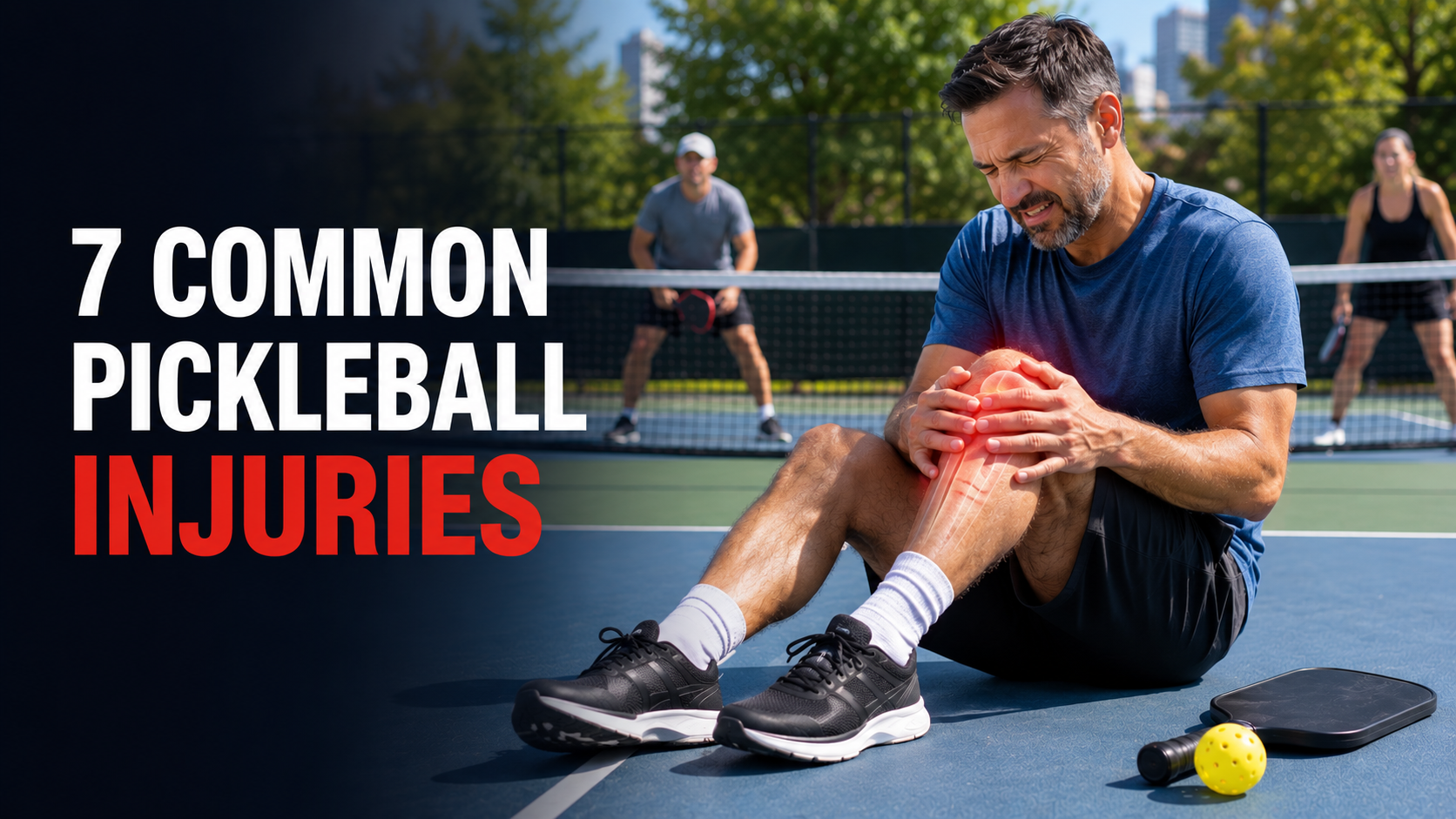
7 Common Pickleball Injuries Toronto Players Experience in Summer—and How Physiotherapy Helps in Newmarket
Pickleball has become a popular way to stay active during the warmer months. With its combination of quick movements, short sprints, reaching, pivoting, and repeated swings, the sport can provide an enjoyable full-body workout. However, the sudden increase in activity during summer can also lead to injuries—particularly when players return to the court after a period of lower activity.
Toronto-area players, including those in Newmarket and surrounding York Region communities, may experience muscle strains, tendon problems, knee pain, ankle injuries, shoulder discomfort, or other sports-related conditions. The good news is that appropriate rehabilitation can help reduce pain, restore mobility, rebuild strength, and support a safe return to the court.
At IAM Physiotherapy Clinic in Newmarket, physiotherapists provide sports injury rehabilitation in Newmarket for active individuals and athletes. The clinic’s sports rehabilitation programs focus on restoring strength, mobility, function, and performance while helping reduce the risk of future injuries.
7 Common Pickleball Injuries Toronto Players Experience in Summer | Physiotherapy in Newmarket
Why Can Pickleball Cause Injuries?
Pickleball may look less demanding than some high-impact sports, but players repeatedly perform movements such as:
- Quick lateral steps
- Sudden stops
- Short sprints
- Lunges
- Pivoting
- Overhead reaching
- Repetitive racket swings
When these movements are repeated without adequate conditioning or recovery, tissues may become overloaded.
The risk may be higher when players:
- Return to the sport after a long break
- Increase playing frequency suddenly
- Skip warm-ups
- Have existing weakness
- Have previous injuries
- Lack adequate mobility or balance
This is why Physiotherapy in Newmarket can be valuable for both injury recovery and sports injury prevention.
1. Tennis Elbow and Other Elbow Tendon Problems
Despite the name, tennis elbow in Newmarket can occur in pickleball players.
Repeated gripping and racket swings can place stress on the tendons around the elbow.
Common Symptoms
Players may notice:
- Pain on the outside of the elbow
- Discomfort when gripping the paddle
- Pain while lifting objects
- Tenderness around the elbow
- Reduced grip strength
How Physiotherapy Helps
Treatment may include:
- Strengthening exercises
- Mobility work
- Manual therapy
- Activity modification
- Progressive return-to-play exercises
A physiotherapist can assess whether repetitive movement, strength deficits, or technique-related factors are contributing to symptoms.
2. Shoulder Pain From Repetitive Swings
Pickleball requires frequent forehand, backhand, and overhead movements.
Repeated shoulder movement can contribute to:
- Rotator cuff irritation
- Shoulder muscle strain in Newmarket
- Reduced mobility
- Shoulder fatigue
- Pain during overhead movements
Players may notice discomfort while serving, reaching, or performing repeated shots.
How Physiotherapy Helps
Rehabilitation may include:
- Rotator cuff strengthening
- Shoulder mobility exercises
- Scapular stabilization
- Functional movement training
- Gradual return-to-sport exercises
IAM Physiotherapy Clinic‘s sports rehabilitation services in Newmarket include treatment for shoulder injuries and tendon-related conditions.
3. Knee Pain During Lunges and Quick Direction Changes
Pickleball requires frequent bending, lunging, stopping, and changing direction.
These movements can place significant demands on the knees.
Symptoms May Include
- Pain around the kneecap
- Discomfort when lunging
- Pain climbing stairs
- Knee stiffness in Newmarket
- Swelling after playing
Why It Happens
Knee symptoms may be influenced by:
- Weak hip muscles
- Reduced ankle mobility
- Poor movement mechanics
- Sudden increases in playing time
- Previous knee injuries
How Physiotherapy Helps
A physiotherapist can assess the entire lower limb and develop a strengthening program involving the:
- Hips
- Glutes
- Quadriceps
- Hamstrings
- Calves
This helps improve lower-body control during court movements.

7 Common Pickleball Injuries Toronto Players Experience in Summer | Physiotherapy in Newmarket
4. Ankle Sprains
Quick lateral movements are an important part of pickleball.
A sudden change in direction can cause the foot to roll, potentially resulting in an ankle sprain.
Symptoms May Include
- Ankle Swelling in Newmarket
- Bruising
- Pain while walking
- Reduced ankle movement
- Difficulty putting weight through the foot
Even if an ankle sprain in Newmarket initially seems minor, returning to the court too quickly may increase the risk of reinjury.
Physiotherapy Can Help
Rehabilitation may focus on:
- Restoring ankle mobility
- Improving strength
- Balance training
- Proprioception exercises
- Gradual return-to-sport activities
These exercises help the ankle regain stability before returning to rapid court movements.
5. Achilles and Calf Injuries
Sudden acceleration and repeated short sprints place significant demands on the calf muscles and Achilles tendon.
Players may experience:
- Calf tightness
- Achilles soreness in Newmarket
- Pain during push-off
- Stiffness after playing
- Reduced running ability
Physiotherapy Treatment
A rehabilitation program may include:
- Calf strengthening
- Progressive tendon loading
- Mobility exercises
- Balance training
- Gradual return-to-court progression
The specific program should be based on the injury and assessment findings.
6. Lower Back Pain
Pickleball players frequently bend, rotate, reach, and change direction.
These movements can place stress on the lower back, particularly when combined with poor conditioning or limited mobility.
Common Symptoms
- Lower back stiffness in Newmarket
- Pain after playing
- Discomfort during rotation
- Difficulty bending
- Muscle tightness
How Physiotherapy Helps
Treatment may include:
- Core strengthening
- Hip mobility exercises
- Spinal mobility work
- Functional movement retraining
- Manual therapy
- Gradual return-to-sport conditioning
The goal is to improve how the entire body moves rather than focusing only on the painful area.
7. Muscle Strains and Overuse Injuries
Summer pickleball can quickly become a regular activity. Players may go from occasional games to several matches every week.
That sudden increase in workload can contribute to muscle strains and overuse injuries.
Common areas include:
- Hamstrings
- Calves
- Quadriceps
- Shoulders
- Forearms
- Lower back
IAM Physiotherapy Clinic’s sports rehabilitation program includes treatment for muscle strains in Newmarket, tendon injuries, overuse injuries, joint injuries, and other sports-related conditions.
The Critical Insight
You don’t have to stop being active simply because you experience a pickleball injury.
The right rehabilitation approach can help identify the source of your symptoms, restore strength and mobility, and gradually prepare your body for the demands of the sport. Physiotherapy is not only about reducing pain—it can also help improve movement quality and reduce the risk of recurring injuries.
What Happens During a Sports Physiotherapy Assessment?
At IAM Physiotherapy Clinic in Newmarket, sports rehabilitation in Newmarket begins with an individualised assessment.
Your physiotherapist may evaluate:
Injury History
Understanding when symptoms started, what happened, and which movements aggravate them.
Movement Assessment
Observing movements such as walking, squatting, lunging, reaching, and changing direction.
Strength Testing
Assessing the muscles relevant to your sport and injury.
Mobility Assessment
Checking joint and muscle flexibility.
Functional Testing
Recreating sport-specific movements when appropriate.
Recovery Goals
Understanding whether your goal is simply to return to recreational pickleball or improve performance and injury prevention.
IAM Physiotherapy Clinic describes its sports rehabilitation process in Newmarket as including an initial assessment, diagnosis and treatment planning, rehabilitation and training, and performance and injury-prevention guidance.
How Physiotherapy Helps Pickleball Players Return to the Court
A personalised program may include:
- Manual therapy in Newmarket
- Therapeutic exercise
- Strength training
- Mobility exercises
- Balance training
- Functional movement training
- Sport-specific conditioning in Newmarket
- Injury prevention education
- Gradual return-to-play planning for athletes in Newmarket
IAM Physiotherapy Clinic specifically lists strength and conditioning, functional movement training, manual therapy, mobility exercises, and performance-focused rehabilitation among its sports rehabilitation techniques.
5 Tips to Reduce Your Risk of Pickleball Injuries This Summer
1. Warm Up Before Playing
Spend several minutes preparing your muscles and joints before intense court activity.
2. Increase Playing Time Gradually
Avoid going from occasional activity to playing several matches every day.
3. Strengthen Your Legs and Core
Strong hips, legs, and core muscles help support movement during lunges and direction changes.
4. Don’t Ignore Persistent Pain
Pain that repeatedly returns after playing may indicate that your body needs assessment.
5. Allow Adequate Recovery
Rest days and appropriate recovery help your tissues adapt to increased activity.
When Should You See a Physiotherapist?
Consider booking an assessment if you experience:
- Persistent pain after playing pickleball
- Swelling
- Reduced range of motion
- Repeated ankle sprains
- Difficulty running or lunging
- Weakness
- Pain that changes your technique
- Symptoms that keep returning
- Difficulty returning to your normal activity level
Early assessment can help identify contributing factors before a minor problem becomes a longer-term limitation.
Why Choose IAM Physiotherapy Clinic for Pickleball Injury Rehabilitation in Newmarket?
IAM Physiotherapy Clinic, Newmarket provides sports injury rehabilitation in Newmarket for active individuals and athletes. Its programs are designed around restoring strength, mobility, function, and performance, with individualised rehabilitation plans based on each patient’s condition and goals.
The clinic’s physiotherapy services also focus on personalised assessments, evidence-informed treatment, mobility restoration, strengthening, and long-term recovery.
The clinic is located at 1065 Davis Dr, Unit 3, Newmarket, ON L3Y 2R9, and serves Newmarket and surrounding York Region communities.
Frequently Asked Questions
Is pickleball hard on your body?
Pickleball is an enjoyable way to stay active, but its repeated lunges, quick direction changes, short sprints, and racket swings can place demands on the knees, ankles, shoulders, elbows, and lower back.
Can physiotherapy help me return to pickleball after an injury?
Yes. Physiotherapy can help restore mobility, strength, balance, and functional movement before you gradually return to your sport. The appropriate rehabilitation program depends on your specific injury and assessment.
Should I stop playing if I have pain?
Not every injury requires complete rest, but continuing to play through worsening or persistent pain may not be appropriate. A physiotherapist can assess your symptoms and recommend activity modifications.
Can physiotherapy prevent pickleball injuries?
Physiotherapy can help identify strength, mobility, balance, and movement issues that may increase injury risk. Individualised strengthening and injury-prevention programs can help players prepare for the physical demands of pickleball.
Looking for Physiotherapy in Newmarket for a Pickleball Injury?
If you’re searching for Physiotherapy in Newmarket after a pickleball injury, IAM Physiotherapy Clinic can help you understand what’s causing your symptoms and develop a personalised rehabilitation plan. From ankle sprains and knee pain to shoulder, elbow, muscle, and lower-back injuries, sports rehabilitation can help restore strength, mobility, function, and confidence before you return to the court.
📍 Location: 1065 Davis Dr, Unit 3, Newmarket, ON L3Y 2R9
📅 Book your physiotherapy assessment: https://iamphysioclinic.com/physiotherapy-in-newmarket/
Our team also helps patients manage back pain, hip pain, ankle pain, foot pain, sciatica, sports injuries, arthritis-related stiffness, and general mobility concerns. Through comprehensive assessments and personalised treatment plans, we help patients achieve better balance, strength, stability, and long-term recovery.
Disclaimer: This article is for educational purposes only and does not replace a professional assessment. If you experience significant pain, swelling, weakness, or difficulty bearing weight after playing pickleball, seek an appropriate medical assessment.