
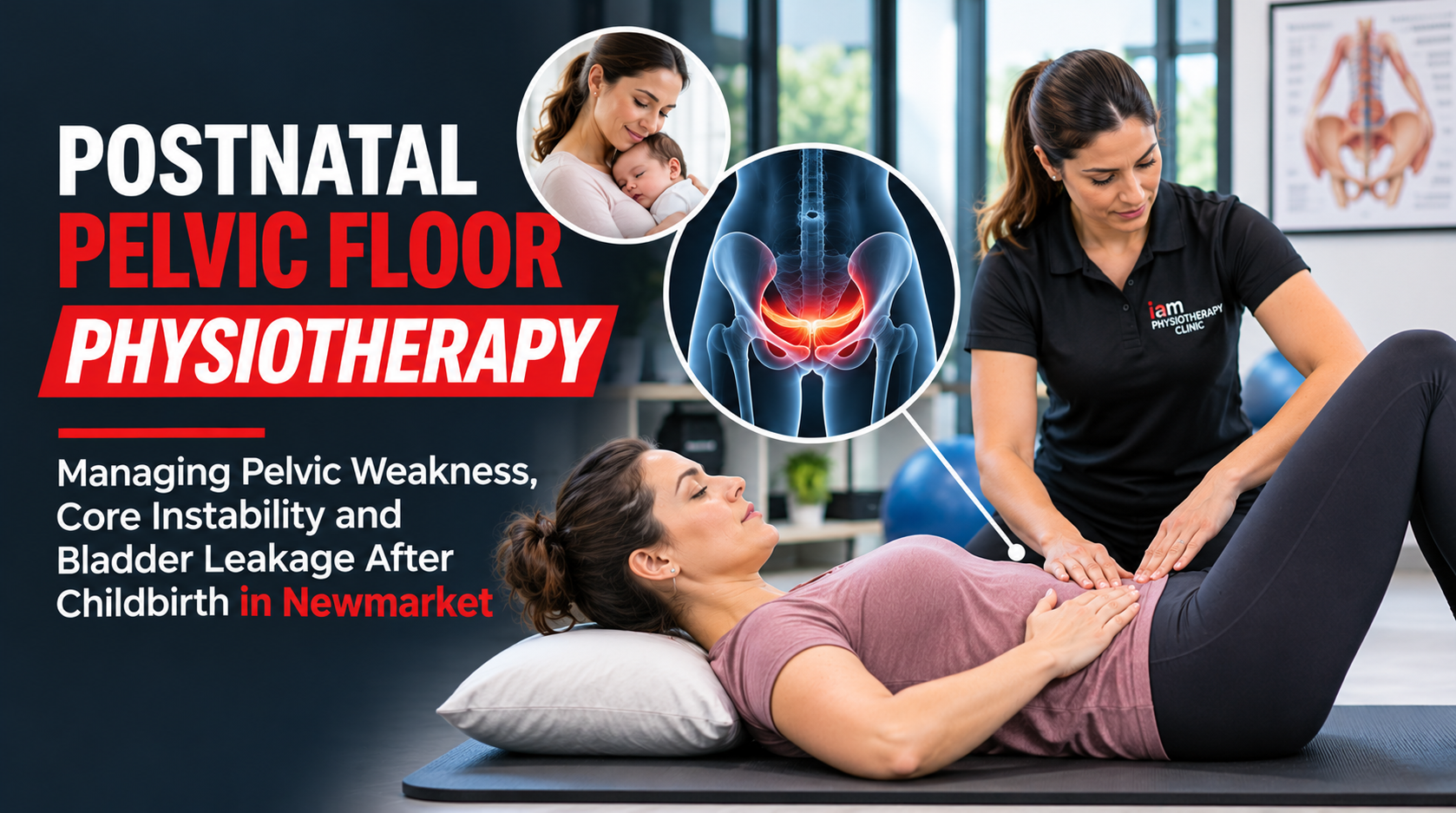
Postnatal Pelvic Floor Physiotherapy: Managing Pelvic Weakness, Core Instability and Bladder Leakage After Childbirth in Newmarket
Childbirth brings significant physical changes to the body. During pregnancy and delivery, the pelvic floor muscles, abdominal muscles, and surrounding connective tissues experience increased pressure and stretching. After giving birth, some women notice pelvic heaviness, reduced core strength, lower back discomfort, or difficulty controlling their bladder. These changes can affect everyday activities, exercise, and confidence.
Postnatal recovery takes time, and every woman’s experience is different. While some symptoms gradually improve, others may need targeted rehabilitation. Postnatal Pelvic Floor Physiotherapy in Newmarket can help women understand these changes, rebuild muscle coordination, and work towards improved pelvic and core function.
Understanding Pelvic Floor Changes After Childbirth
The pelvic floor is a group of muscles and connective tissues that support the bladder, uterus, and bowel. These muscles also contribute to bladder and bowel control, core stability, and pelvic support.
During pregnancy, the growing baby places additional pressure on the pelvic floor. Vaginal delivery can stretch these muscles and surrounding tissues, while a caesarean birth can also affect abdominal strength, movement, and recovery.
Some women experience Pelvic Weakness After Childbirth in Newmarket due to changes in muscle strength, coordination, and endurance.
Common postnatal concerns include:
- Bladder leakage when coughing, sneezing, laughing, or exercising.
- A sensation of heaviness or pressure in the pelvic region.
- Reduced abdominal strength or difficulty engaging the core.
- Lower back, hip, or pelvic discomfort.
- Difficulty returning to walking, running, or fitness activities.
- Reduced confidence during daily movements.
These symptoms are common, but they should not be dismissed as something every woman simply has to accept.
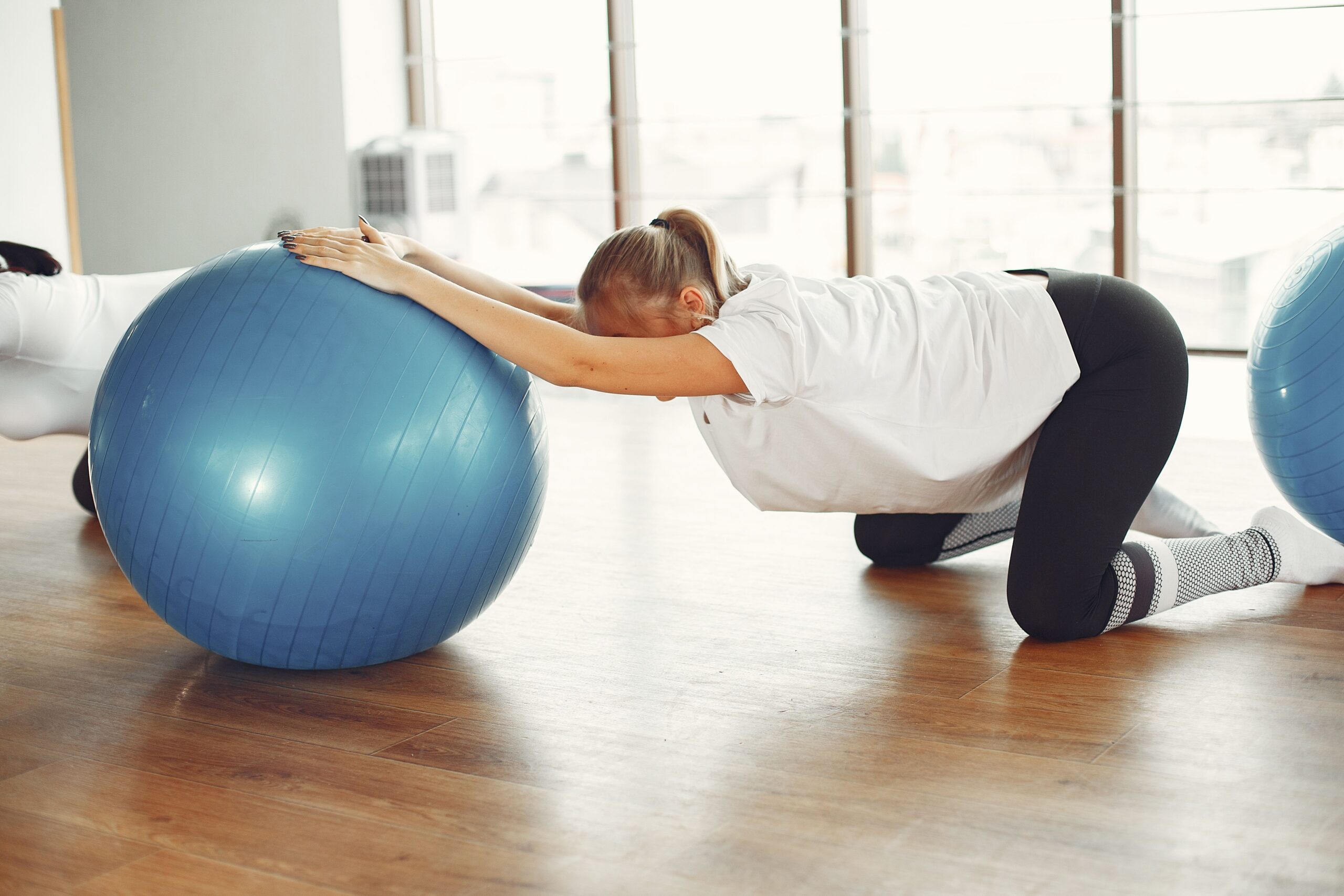
Why Does Bladder Leakage Occur After Childbirth?
Bladder leakage, also known as urinary incontinence, can occur when the pelvic floor muscles are unable to provide sufficient support or coordinate effectively during activities that increase pressure inside the abdomen.
For example, coughing, sneezing, lifting a baby, or jumping can increase pressure on the bladder and pelvic floor.
Some women experience stress urinary incontinence, which involves leakage during physical activities. Others may experience urgency, where they suddenly feel a strong need to urinate and have difficulty reaching the bathroom in time.
Bladder Leakage After Childbirth in Newmarket may be associated with several factors, including:
- Reduced pelvic floor muscle strength.
- Muscle stretching during pregnancy or vaginal delivery.
- Changes in abdominal pressure management.
- Reduced coordination between breathing, abdominal muscles, and pelvic floor muscles.
- Pre-existing pelvic floor concerns that become more noticeable after childbirth.
A pelvic health assessment can help identify the nature of the symptoms and determine an appropriate treatment approach.
How Postnatal Pelvic Floor Physiotherapy Helps
Postnatal physiotherapy focuses on restoring strength, coordination, mobility, and confidence through an individualised rehabilitation programme.
A physiotherapist may begin by discussing pregnancy and delivery history, current symptoms, activity levels, and recovery goals. Depending on the patient’s needs and consent, the assessment may include posture, breathing patterns, abdominal function, movement control, and pelvic floor muscle coordination.
A programme for Postnatal Pelvic Floor Physiotherapy in Newmarket may include the following approaches.
1. Pelvic Floor Muscle Training
Pelvic floor exercises, often called Kegels, involve gently contracting and relaxing the muscles that support the bladder and pelvic organs.
The focus should be on correct technique rather than simply performing a large number of repetitions. A physiotherapist can help identify whether the muscles are contracting and relaxing appropriately.
Training may include:
- Gentle pelvic floor contractions.
- Controlled relaxation between contractions.
- Gradual improvements in muscle endurance.
- Coordinating pelvic floor activity with breathing.
- Practising muscle engagement during everyday movements.
Not every woman needs stronger contractions. Some experience excessive pelvic floor tension or difficulty relaxing these muscles. In such cases, relaxation and coordination may be more appropriate than repeated strengthening.
2. Rebuilding Core Strength
Pregnancy can affect abdominal muscle function and the way the core supports the spine and pelvis. Some women notice abdominal weakness, difficulty controlling movement, or a feeling of instability after delivery.
Postnatal rehabilitation may introduce gentle exercises such as:
- Diaphragmatic breathing.
- Gentle abdominal activation.
- Supported pelvic movements.
- Heel slides, when appropriate.
- Gradual functional strengthening.
Exercises should be selected according to recovery stage, symptoms, and delivery-related considerations. Women with abdominal separation, pelvic pain, or other complications may require additional assessment before progressing.
3. Improving Bladder Control
Bladder training and pelvic floor coordination strategies may help women who experience urinary urgency or leakage.
A physiotherapist may discuss bladder habits, fluid intake, toileting routines, and techniques for managing urgency. For some women, learning to coordinate pelvic floor activation with activities such as lifting or coughing can also be helpful.
A personalised Pelvic Floor Physiotherapy Treatment in Newmarket plan can address the specific factors contributing to symptoms rather than relying on a general exercise routine.
Managing Pelvic Weakness During Everyday Activities
Postnatal recovery involves more than completing exercises. Everyday activities such as lifting a baby, carrying a car seat, getting out of bed, and returning to household responsibilities can place demands on the pelvic floor and core.
Helpful strategies may include:
- Exhaling gently while lifting heavier objects.
- Keeping the baby close to the body when carrying.
- Avoiding sudden increases in exercise intensity.
- Taking breaks when fatigue increases.
- Using comfortable positions during feeding.
- Gradually increasing walking duration.
- Paying attention to pelvic pressure, pain, or leakage during activity.
If symptoms increase during an activity, reduce the intensity and discuss the issue with a healthcare professional.
When Should You Consider Postnatal Physiotherapy?
There is no single recovery timeline that applies to every woman. Some women benefit from an assessment during the early postnatal period, while others seek help when returning to exercise or noticing persistent symptoms months after delivery.
Consider an assessment if you experience:
- Bladder leakage during coughing, sneezing, or exercise.
- Pelvic heaviness or pressure.
- Difficulty engaging or relaxing the pelvic floor.
- Ongoing abdominal weakness or core instability.
- Discomfort during daily activities.
- Difficulty returning to physical activity.
A Bladder Leakage After Childbirth in Newmarket assessment can help identify possible contributing factors and guide appropriate management. Seek medical advice for new or worsening pelvic pain, difficulty emptying the bladder, fever, unusual bleeding, or other concerning postnatal symptoms. Sudden severe symptoms require prompt medical attention.
Supporting Your Postnatal Recovery in Newmarket
Postnatal rehabilitation should be based on your individual needs, symptoms, and recovery goals. Whether you are experiencing pelvic weakness, bladder leakage, or reduced core stability, a structured programme can help you work towards better movement and function.
At IAM Physiotherapy Clinic in Newmarket, women can discuss their postnatal concerns and explore appropriate rehabilitation options. A personalised Pelvic Floor Physiotherapy Treatment in Newmarket programme may include pelvic floor muscle training, breathing strategies, core rehabilitation, and gradual functional exercises, depending on assessment findings.
With appropriate guidance, Pelvic Weakness After Childbirth in Newmarket can be addressed through a progressive approach that considers strength, coordination, relaxation, and everyday movement. The aim is to support a comfortable return to daily activities and help women feel more confident during recovery.
📍 Location: 1065 Davis Dr, Unit 3, Newmarket, ON L3Y 2R9
📅 Book your physiotherapy assessment: IAM Physiotherapy Clinic
Our team also helps patients manage back pain, hip pain, ankle pain, foot pain, sciatica, sports injuries, arthritis-related stiffness, and general mobility concerns. Through comprehensive assessments and personalised treatment plans, we help patients achieve better balance, strength, stability, and long-term recovery.
Disclaimer: This article is intended for general educational purposes only and does not replace professional medical advice, diagnosis, or treatment. Every knee condition is different, and treatment should be based on an individual assessment by an appropriately qualified healthcare professional.