

Knee Pain When Walking or Climbing Stairs? How Custom Orthotics and Physiotherapy Can Address Foot Mechanics in Newmarket
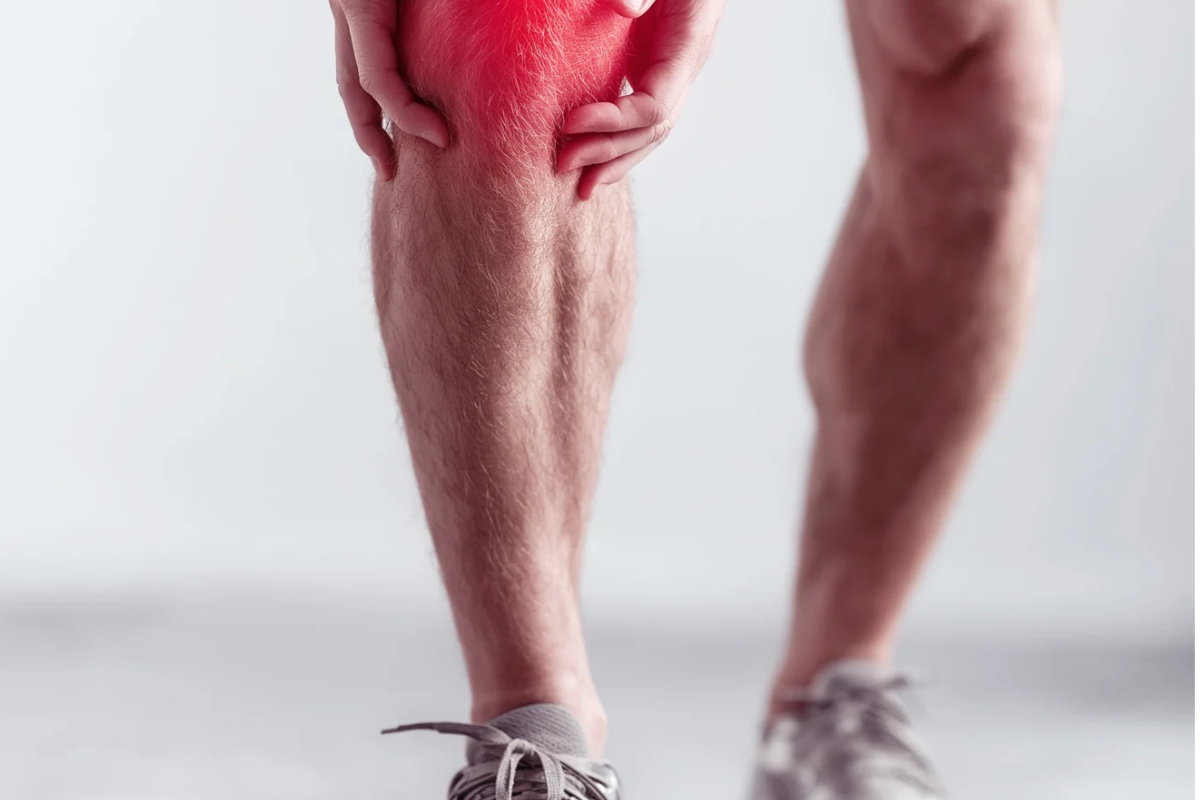
Knee pain can make everyday movements such as walking, climbing stairs, standing from a chair, or exercising more difficult. While knee pain may originate from structures around the knee itself, the way your feet and ankles move can also influence how forces travel through the lower limb.
Foot mechanics, ankle mobility, muscle strength, footwear, previous injuries, and activity levels can all be relevant when assessing lower-limb movement. This does not mean that every knee problem is caused by the feet, but examining the entire movement chain can provide useful information.
For people experiencing Knee Pain in Newmarket, a physiotherapy assessment can help identify factors that may be contributing to symptoms. Where appropriate, custom orthotics may be considered alongside exercise and other rehabilitation strategies.
How Can Foot Mechanics Affect the Knee?
The feet provide the foundation for many weight-bearing activities. During walking, running, and stair climbing, forces travel from the foot through the ankle, knee, and hip.
Changes in foot movement do not automatically cause knee pain. However, differences in foot mechanics may influence how an individual loads the lower limb during certain activities.
A comprehensive assessment may consider:
- Foot position and movement
- Ankle mobility
- Knee alignment during functional movements
- Hip strength
- Walking pattern
- Balance
- Footwear
- Previous injuries
- Activity levels
This broader assessment can help determine whether foot mechanics are relevant to your particular symptoms.
1. Knee Pain When Walking
Walking is a repetitive activity, so even relatively mild knee discomfort can become noticeable when you spend a lot of time on your feet.
You may experience pain when:
- Walking longer distances
- Walking quickly
- Walking on uneven surfaces
- Walking uphill or downhill
- Standing for extended periods
- Returning to walking after an injury
Your physiotherapist may observe your walking pattern and assess the movement of your feet, ankles, knees, and hips.
Physiotherapy in Newmarket may then be used to address relevant strength, mobility, balance, and movement limitations.
2. Knee Pain When Climbing Stairs
Climbing stairs places additional demands on the muscles and joints of the lower limb.
Knee discomfort may become noticeable when:
- Walking upstairs
- Walking downstairs
- Carrying objects on stairs
- Getting up from a low chair
- Squatting
- Stepping onto a higher surface
A physiotherapy assessment can examine how your knee, hip, ankle, and foot work together during these movements.
For individuals experiencing Knee Pain in Newmarket, understanding the movements that aggravate symptoms can help guide rehabilitation.
3. What Are Custom Orthotics?
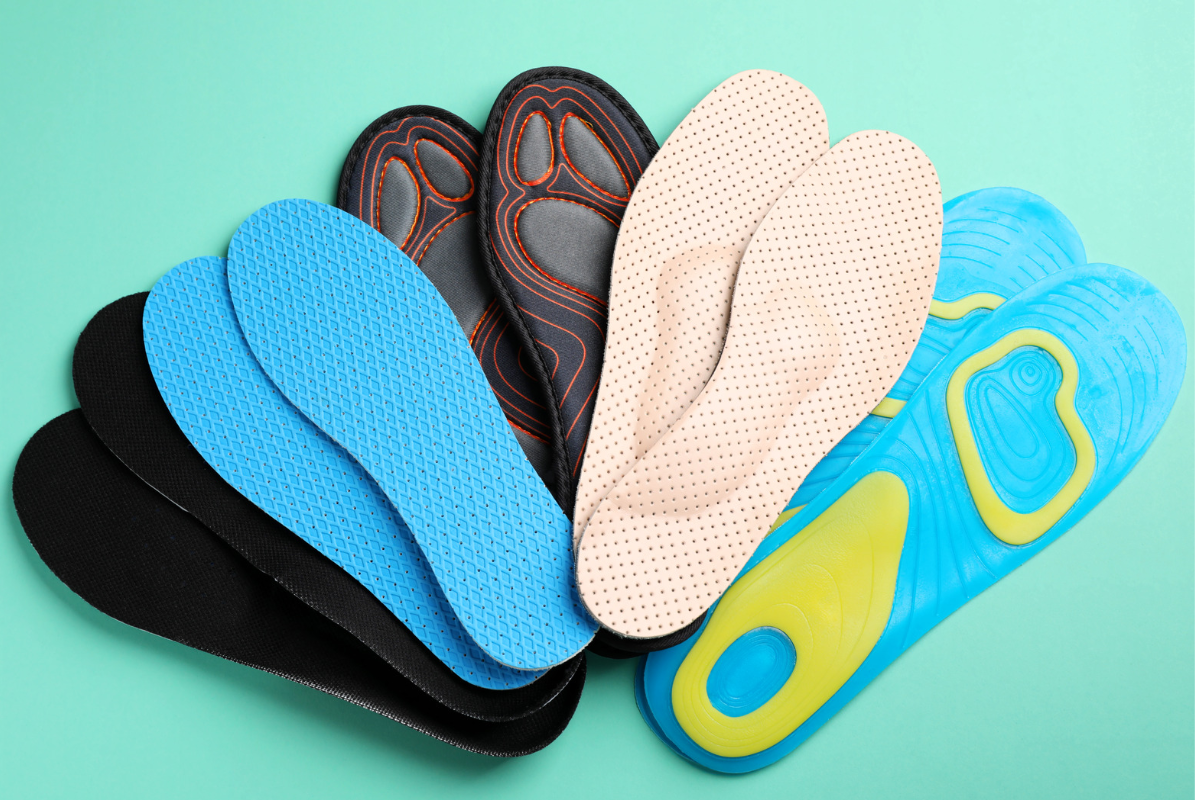
Custom orthotics are individually designed devices intended to fit inside footwear and influence how the foot is supported during weight-bearing activities.
Custom Orthotics in Newmarket may be considered when an assessment identifies foot mechanics or support needs that could be relevant to a person’s symptoms or functional goals.
Orthotics are not automatically necessary for every person with knee pain. Their suitability depends on the individual’s foot mechanics, symptoms, footwear, activity requirements, and overall assessment.
4. How Custom Orthotics May Support Lower-Limb Mechanics
The purpose of an orthotic is not simply to “fix” the foot. Depending on the design and individual needs, an orthotic may influence how forces are distributed during weight-bearing activities.
For selected individuals, Custom Orthotics in Newmarket may be considered alongside physiotherapy.
Potential areas of focus may include:
- Foot support
- Comfort during walking
- Load distribution
- Functional movement
- Activity tolerance
The response to orthotics can vary between individuals, and they should be considered as part of a broader clinical assessment.
5. Why Strength and Movement Matter
Foot mechanics are only one part of lower-limb function. The muscles around the knee, hip, ankle, and foot also contribute to movement and load management.
A rehabilitation programme may include exercises targeting:
- Quadriceps
- Hamstrings
- Gluteal muscles
- Calf muscles
- Foot muscles
- Core and trunk control
Physiotherapy in Newmarket can help determine which exercises are appropriate based on your symptoms and functional goals.
How Physiotherapy and Orthotics Can Work Together
Custom orthotics and physiotherapy serve different purposes.
Orthotics may provide additional foot support during weight-bearing activities, while physiotherapy can address strength, mobility, balance, movement patterns, and physical capacity.
For someone with Knee Pain in Newmarket, a treatment plan may therefore include both approaches if the assessment suggests they are appropriate.
For example, a person who experiences knee discomfort while walking may be assessed for foot and ankle mechanics while also completing exercises to improve hip and lower-limb strength.
The specific combination should be individualised rather than automatically prescribed for every knee condition.
What Happens During a Lower-Limb Assessment?
An assessment may begin with questions about:
- When your knee pain started
- Which activities aggravate it
- Previous injuries
- Exercise and work demands
- Footwear
- Walking habits
- Previous treatment
Your physiotherapist may then assess:
- Foot and ankle movement
- Knee mobility
- Hip strength
- Balance
- Walking
- Squatting
- Stair movement
- Functional activities
This information can help determine whether foot mechanics appear relevant to your symptoms and whether custom orthotics may be worth considering.
At IAM Physiotherapy Clinic in Newmarket, treatment can be tailored according to your symptoms, daily activities, and rehabilitation goals.
Everyday Strategies for Managing Knee Pain
While your rehabilitation should be individualised, several general strategies may help manage physical demands.
Increase Activity Gradually
If you have been less active because of knee pain, gradually rebuild your walking or exercise routine rather than making a sudden increase.
Choose Appropriate Footwear
Comfortable footwear suitable for your activity may help you manage daily walking and exercise demands.
Strengthen the Lower Limb
Appropriate strengthening can help improve the capacity of the muscles involved in walking, stair climbing, and other activities.
Pay Attention to Functional Symptoms
Notice whether pain changes with walking distance, stairs, uneven surfaces, or specific exercises. This information can help your physiotherapist understand your movement needs.
When Might Custom Orthotics Be Considered?
Custom orthotics may be considered when an assessment identifies a potential role for foot mechanics or additional foot support.
A healthcare professional may consider:
- Your foot and ankle movement
- Walking pattern
- Footwear
- Activity demands
- Existing symptoms
- Previous injuries
- Functional goals
Custom Orthotics in Newmarket should not be viewed as a universal solution for knee pain.
For some individuals, exercise and rehabilitation may be the primary focus, while others may benefit from combining physiotherapy with orthotic support.
When Should You See a Physiotherapist?
Consider seeking an assessment if knee pain:
- Continues for several weeks
- Makes walking difficult
- Affects stair climbing
- Limits exercise
- Causes recurring discomfort
- Interferes with work or daily activities
- Is gradually becoming more limiting
For individuals experiencing Knee Pain in Newmarket, an assessment can help identify whether the symptoms may be related to the knee itself, surrounding structures, movement patterns, or other contributing factors.
Seek prompt medical attention after significant trauma, particularly if you experience severe pain, major swelling, deformity, inability to bear weight, or sudden loss of movement.
Returning to Walking and Exercise
When knee pain has reduced your activity, returning gradually can help rebuild tolerance.
A rehabilitation programme may progress through:
- Comfortable everyday walking
- Basic mobility exercises
- Lower-limb strengthening
- Stair and functional training
- Longer walks or increased activity
- Sport-specific movements where appropriate
If custom orthotics are recommended, they can be incorporated into your footwear and activity routine according to professional guidance.
At IAM Physiotherapy Clinic in Newmarket, rehabilitation can be personalised around your lifestyle, work requirements, exercise routine, and functional goals.
Frequently Asked Questions
1. Can foot mechanics contribute to knee pain?
Foot and ankle movement can influence how forces are transferred through the lower limb, but foot mechanics are only one possible contributor to knee pain. An assessment is needed to determine their relevance in an individual case.
2. Can custom orthotics help knee pain?
Custom Orthotics in Newmarket may be considered for selected individuals when an assessment identifies a potential role for foot support or mechanics. They are not appropriate for every type of knee pain.
3. Can physiotherapy help knee pain when climbing stairs?
Depending on the underlying cause, Physiotherapy in Newmarket may address strength, mobility, balance, movement patterns, and functional capacity.
4. Do I need orthotics if I have knee pain?
Not necessarily. Orthotics are only one potential treatment option. Whether they are appropriate depends on your foot mechanics, symptoms, activity requirements, and assessment findings.
5. Should I stop walking if my knee hurts?
Not necessarily. The appropriate amount of walking depends on the cause and severity of your symptoms. A physiotherapist can help determine whether activity needs to be modified and how it can be progressed.
6. Where can I get help for knee pain in Newmarket?
You can discuss your symptoms and rehabilitation goals with IAM Physiotherapy Clinic in Newmarket to determine whether an assessment may be appropriate.
Take the Next Step for Knee Pain in Newmarket
Knee pain during walking or stair climbing can interfere with work, exercise, household activities, and everyday independence. While foot mechanics may be relevant for some people, knee pain can have many possible causes.
If you are experiencing Knee Pain in Newmarket, a comprehensive physiotherapy assessment can help identify factors involving the knee, foot, ankle, hip, strength, mobility, and movement patterns.
For selected individuals, Custom Orthotics in Newmarket may be considered as part of a broader treatment plan. Physiotherapy in Newmarket can also provide guidance on strengthening, mobility, activity modification, and gradual return to normal activities.
At IAM Physiotherapy Clinic in Newmarket, treatment can be personalised according to your symptoms, lifestyle, work requirements, and rehabilitation goals.
Our team also helps patients manage back pain, hip pain, ankle pain, foot pain, sciatica, sports injuries, arthritis-related stiffness, and general mobility concerns. Through comprehensive assessments and personalised treatment plans, we help patients achieve better balance, strength, stability, and long-term recovery.
📍 Location: 1065 Davis Dr Unit 3, Newmarket, ON L3Y 2R9, Canada
📅 Book your assessment today: https://iamphysioclinic.com
Disclaimer: This article is intended for general educational purposes only and does not replace medical diagnosis, treatment, or advice from a qualified healthcare professional. Knee pain can have many possible causes, and foot mechanics are only one factor that may be considered during an assessment. Custom orthotics are not appropriate for everyone. Seek prompt medical attention following significant trauma or if you experience severe pain, substantial swelling, deformity, inability to bear weight, or other concerning symptoms.