
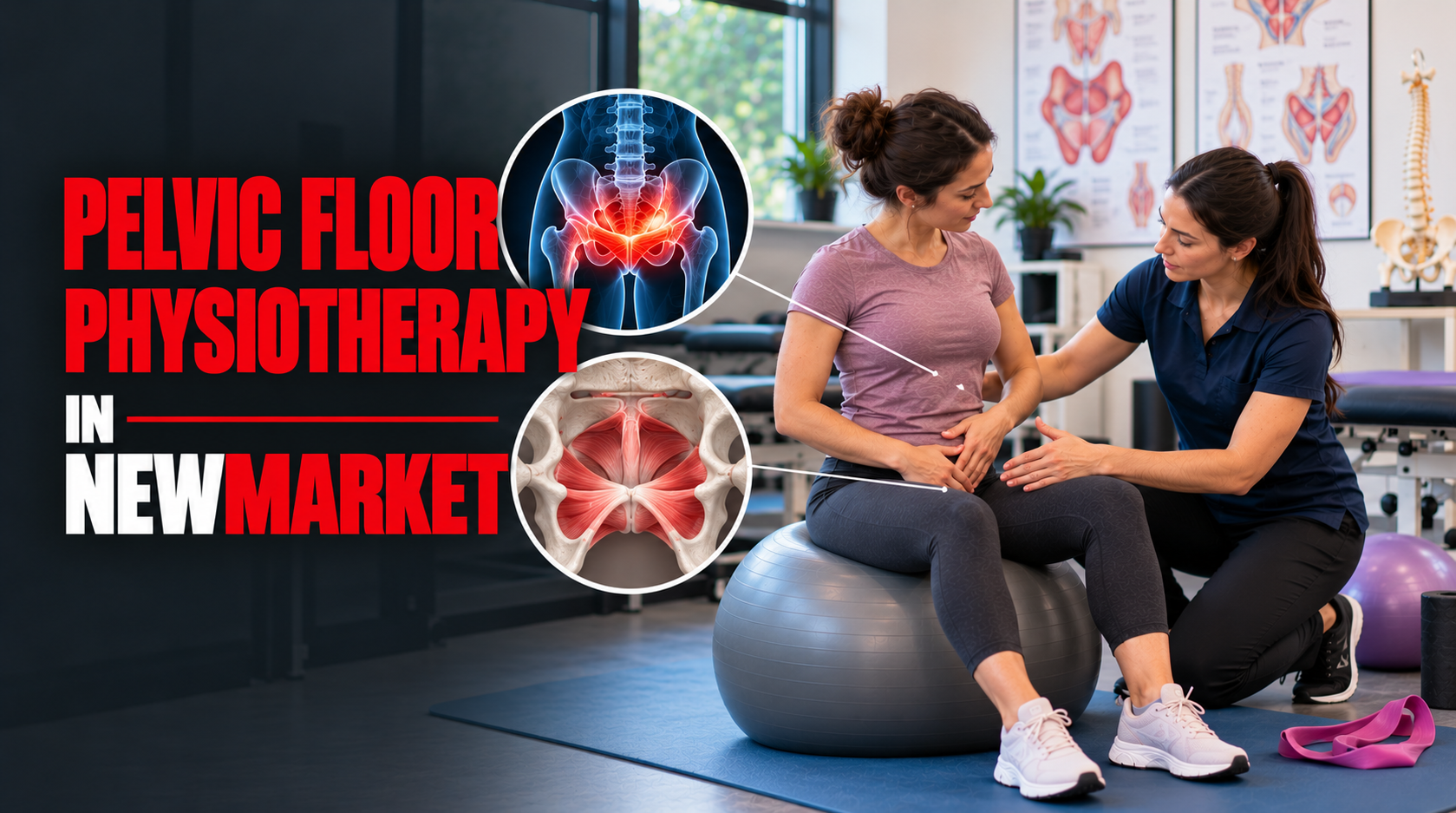
Pelvic Floor Physiotherapy in Newmarket: Common Problems People Often Keep Private
Pelvic health concerns are more common than many people realise, but they are often difficult to talk about. Problems such as urinary leakage, pelvic pain, discomfort during intimacy, constipation, or changes following pregnancy can feel private or embarrassing. As a result, some people simply learn to live with their symptoms.
However, pelvic floor problems can affect daily activities, exercise, sleep, work, relationships, and overall quality of life. They are also not limited to one age group or gender.
Pelvic Floor Physiotherapy in Newmarket can provide a confidential, individualised approach to assessing pelvic health concerns and developing appropriate treatment strategies.
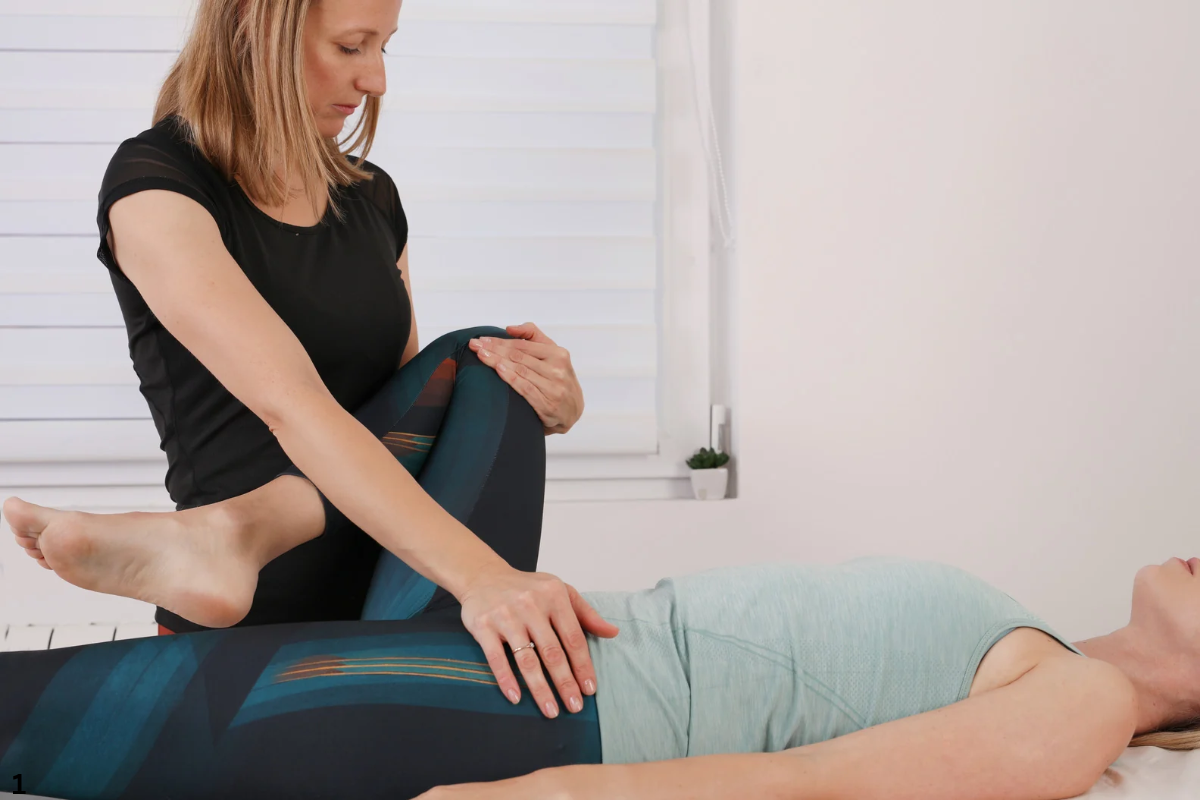
What Is the Pelvic Floor?
The pelvic floor is a group of muscles and connective tissues located at the base of the pelvis. These muscles contribute to several important functions, including supporting pelvic organs, controlling bladder and bowel function, and contributing to sexual function and stability.
The pelvic floor also works together with the abdominal muscles, diaphragm, hips, and lower back during movement.
When these muscles become weak, overly tight, poorly coordinated, or unable to respond appropriately to physical demands, symptoms may develop.
Common Pelvic Floor Problems People May Keep Private
People may hesitate to discuss pelvic health concerns, but seeking professional advice can be an important step toward understanding what is happening.
Some common concerns include:
- Urinary leakage
- Urinary urgency or frequency
- Difficulty controlling bowel movements
- Constipation or straining
- Pelvic pain
- Pain during intimacy
- Pelvic pressure or heaviness
- Recovery after pregnancy and childbirth
- Pelvic symptoms during exercise
- Changes following pelvic or abdominal surgery
Not every pelvic floor problem has the same cause, which is why an individual assessment is important.
1. Urinary Leakage During Exercise or Everyday Activities
Urinary leakage is one of the symptoms people may feel uncomfortable discussing.
Some individuals notice leakage when:
- Coughing
- Sneezing
- Laughing
- Running
- Jumping
- Lifting weights
- Playing sports
- Getting up from a chair
These symptoms can sometimes be associated with the pelvic floor’s ability to respond to increases in pressure and physical demand.
Physiotherapy in Newmarket may include pelvic floor assessment and exercise-based rehabilitation when appropriate.The goal is not simply to tell someone to “do more Kegels.” Pelvic floor rehabilitation should consider strength, coordination, relaxation, breathing, movement patterns, and the individual’s specific symptoms
2. Pelvic Pain That Keeps Coming Back
Pelvic pain can be difficult to describe because it may feel different from typical muscle or joint pain.
Depending on the individual, discomfort may be experienced around the:
- Lower abdomen
- Pelvis
- Groin
- Hips
- Lower back
- Perineal region
Persistent pelvic pain can have multiple possible causes and may involve muscles, nerves, joints, internal organs, or other factors.
If you are experiencing Pelvic Pain in Newmarket, a healthcare professional can help determine whether physiotherapy may be appropriate or whether further medical assessment is needed.
Pelvic floor physiotherapy may be considered when musculoskeletal or pelvic floor dysfunction contributes to symptoms.
3. Pelvic Floor Symptoms After Pregnancy and Childbirth
Pregnancy and childbirth can place considerable physical demands on the pelvic floor and surrounding structures.
After childbirth, some people may experience:
- Urinary leakage
- Pelvic heaviness
- Abdominal or pelvic discomfort
- Difficulty returning to exercise
- Changes in bowel function
- Pain with certain movements
- Reduced confidence with physical activity
Recovery is different for everyone.
A pelvic floor physiotherapy assessment can help identify individual strength, mobility, coordination, and functional needs before progressing toward more demanding activities.
Pelvic Floor Physiotherapy in Newmarket may be appropriate as part of postpartum rehabilitation when clinically indicated.
4. Pain or Discomfort During Intimacy
Pain during intimacy can be physically and emotionally difficult to discuss, but it is a legitimate health concern.
Several factors may contribute, including:
- Pelvic floor muscle tension
- Scar tissue
- Changes following childbirth
- Musculoskeletal problems
- Hormonal changes
- Other pelvic health conditions
Pelvic physiotherapy may assess muscle tension, movement, coordination, and other physical factors that could contribute to symptoms.
However, pain during intimacy can have many possible causes. Medical assessment may be appropriate when symptoms are new, persistent, severe, or unexplained.
5. Constipation and Difficulty Relaxing the Pelvic Floor
The pelvic floor is involved in bowel function as well as bladder control.
For some people, difficulty coordinating relaxation and contraction of the pelvic floor muscles may contribute to problems with bowel movements.
Symptoms may include:
- Straining
- A feeling of incomplete emptying
- Difficulty relaxing during bowel movements
- Chronic constipation
- Pelvic discomfort
A pelvic health physiotherapist can assess whether pelvic floor coordination may be contributing to the problem.
Other causes of constipation are also possible, so persistent bowel symptoms should be discussed with an appropriate healthcare professional.
How Can Pelvic Floor Physiotherapy Help?
Pelvic Floor Physiotherapy in Newmarket is not simply about strengthening pelvic floor muscles.
Depending on the assessment, treatment may focus on:
Pelvic Floor Muscle Training
If weakness is identified, appropriately prescribed exercises may help improve muscle strength and endurance.
Relaxation and Muscle Coordination
Some people have pelvic floor muscles that are excessively tense rather than weak. In these cases, learning to relax and coordinate the muscles may be an important part of treatment.
Breathing and Pressure Management
Breathing patterns and abdominal pressure can influence pelvic floor function during lifting, exercise, coughing, and other activities.
Functional Rehabilitation
Treatment can incorporate movements that relate directly to your daily life, work, exercise, or sport.
Education
Understanding pelvic floor function and identifying factors that influence symptoms can help patients participate more confidently in their rehabilitation.
What Happens During a Pelvic Floor Assessment?
A pelvic floor assessment should be approached professionally and respectfully.
Your physiotherapist may ask about:
- Your symptoms
- When they started
- Activities that aggravate them
- Pregnancy and childbirth history, where relevant
- Bladder and bowel habits
- Exercise and physical activity
- Previous injuries or surgeries
- Your personal rehabilitation goals
Depending on the situation, the physiotherapist may also assess posture, breathing, movement, abdominal function, hip strength, and other musculoskeletal factors.
An internal pelvic floor assessment may be considered in some cases, but this should be explained beforehand and performed only with appropriate informed consent.
You should feel comfortable asking questions or discussing any concerns about the assessment process.
What About Pelvic Pain?
Pelvic Pain in Newmarket can have numerous potential causes, so it is important not to assume that every pelvic pain problem originates from the pelvic floor.
A comprehensive assessment may help determine whether muscle tension, weakness, movement dysfunction, or other musculoskeletal factors may be contributing.
When appropriate, treatment may combine pelvic floor rehabilitation with exercises targeting the hips, lower back, abdomen, posture, and overall movement.
If symptoms suggest another medical cause, referral to an appropriate healthcare professional may be necessary.
When Should You Consider Pelvic Floor Physiotherapy?
Consider discussing your symptoms with a healthcare professional if you experience:
- Repeated urinary leakage
- Urinary urgency affecting daily life
- Persistent pelvic discomfort
- Pain during intimacy
- Pelvic pressure or heaviness
- Difficulty returning to exercise after childbirth
- Ongoing bowel difficulties
- Symptoms following pelvic surgery
- Pelvic symptoms that interfere with work or daily activities
You do not need to wait until symptoms become severe before seeking information or an assessment.
Pelvic Floor Physiotherapy in Newmarket
If you are experiencing pelvic health concerns, I AM Physiotherapy Clinic in Newmarket offers pelvic floor physiotherapy as part of its multidisciplinary rehabilitation services. The clinic’s website identifies pelvic floor physiotherapy among its services and describes its care as part of a broader multidisciplinary approach.
Physiotherapy in Newmarket can provide individualised rehabilitation based on your symptoms, physical findings, and functional goals.
For people experiencing Pelvic Pain in Newmarket, an assessment can help determine whether pelvic floor or musculoskeletal factors may be contributing to the symptoms and whether physiotherapy is appropriate.
Frequently Asked Questions
1. Is pelvic floor physiotherapy only for women after childbirth?
No. Pelvic floor problems can affect people of different ages and genders. Rehabilitation may be appropriate for concerns involving bladder, bowel, pelvic pain, sexual function, or pelvic floor muscle dysfunction.
2. Does pelvic floor physiotherapy involve an internal examination?
An internal assessment may be considered in some situations, but it is not automatically required for everyone. The physiotherapist should explain the purpose and obtain informed consent before performing any internal assessment.
3. Can pelvic floor physiotherapy help with urinary leakage?
Pelvic Floor Physiotherapy in Newmarket may help selected patients address pelvic floor strength, coordination, and functional control. The appropriate approach depends on the underlying cause of the leakage.
4. Can pelvic floor problems cause pelvic pain?
They can be one possible contributor. Pelvic pain has many potential causes, so an appropriate assessment is important before assuming the pelvic floor is responsible.
5. When should I seek help for pelvic pain?
Consider seeking professional assessment when pelvic pain is persistent, recurrent, worsening, or interfering with daily activities, exercise, sleep, or relationships.
6. Where can I get pelvic floor physiotherapy in Newmarket?
You can contact I AM Physiotherapy Clinic in Newmarket to discuss your symptoms and whether pelvic floor physiotherapy may be appropriate.
You Don’t Have to Keep Pelvic Health Problems Private
Pelvic floor symptoms can feel difficult to discuss, but you do not have to simply accept persistent leakage, pelvic discomfort, pressure, or difficulty returning to normal activities.
Pelvic Floor Physiotherapy in Newmarket can provide a confidential and individualised approach to understanding pelvic floor concerns and developing appropriate rehabilitation strategies.
If you are experiencing Pelvic Pain in Newmarket, consider discussing your symptoms with a qualified healthcare professional. Physiotherapy in Newmarket may be appropriate when pelvic floor or musculoskeletal factors are contributing to your symptoms.
I AM Physiotherapy Clinic in Newmarket provides pelvic floor physiotherapy as part of its multidisciplinary rehabilitation services.
Our team also helps patients manage back pain, hip pain, ankle pain, foot pain, sciatica, sports injuries, arthritis-related stiffness, and general mobility concerns. Through comprehensive assessments and personalised treatment plans, we help patients achieve better balance, strength, stability, and long-term recovery
Disclaimer: This article is intended for general educational purposes only and should not replace professional medical advice, diagnosis, or treatment. Pelvic floor symptoms can have many possible causes, and not every condition is appropriate for physiotherapy alone. Persistent, severe, unexplained, or worsening pelvic, urinary, or bowel symptoms should be assessed by an appropriate healthcare professional.