

Sciatica in Newmarket: Why Does the Pain Travel From Your Back Into Your Leg?
Have you ever experienced pain that starts in your lower back and seems to travel through your buttock and down into your leg? This pattern can be particularly confusing because the discomfort may feel far away from where the problem actually begins.
Sciatica describes symptoms associated with irritation or compression of the sciatic nerve or its nerve roots. Because the sciatic nerve travels from the lower back through the buttocks and into the leg, irritation along this pathway can cause symptoms beyond the lower back.
For people looking for Sciatica in Newmarket, understanding why the pain travels can make it easier to recognise symptoms and seek appropriate care. Physiotherapy in Newmarket may help assess contributing factors, improve movement, and develop an individualised treatment approach based on the underlying problem.
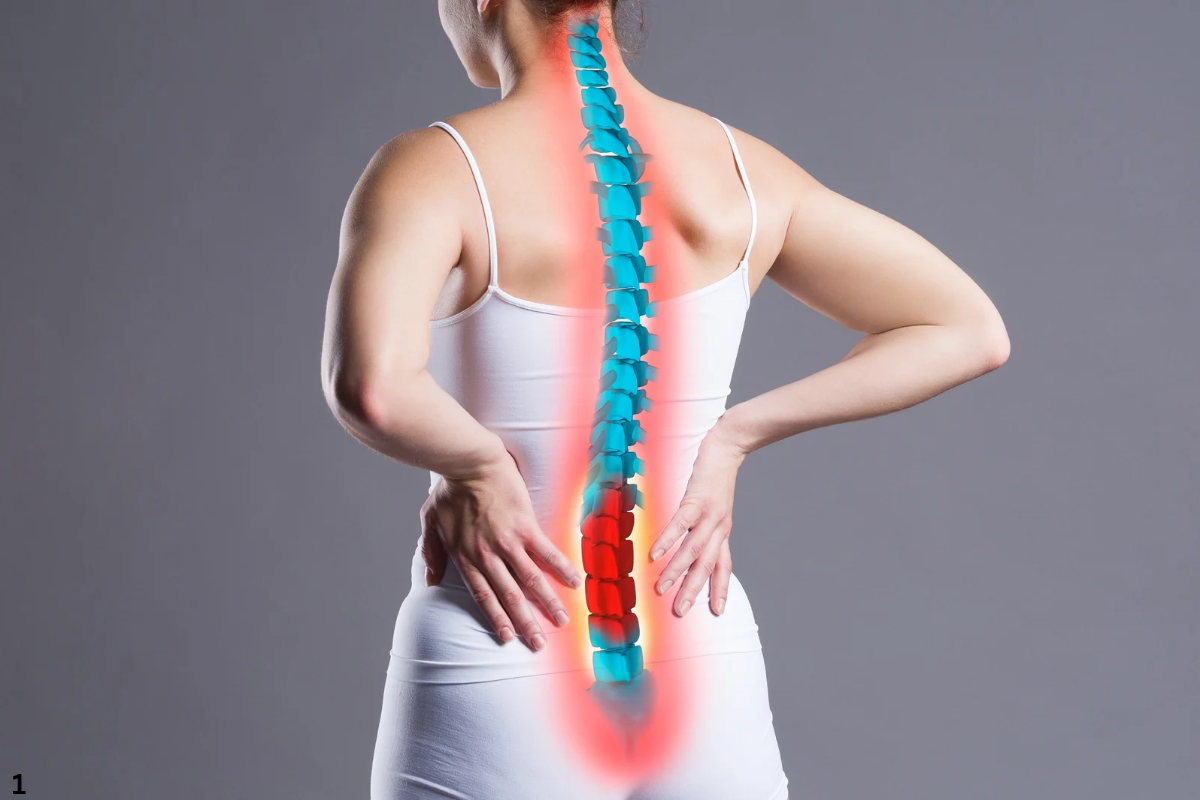
What Is the Sciatic Nerve?
The sciatic nerve is one of the body’s major nerves. It is formed from several nerve roots in the lower spine and travels through the buttock and down the leg.
When one of the nerve roots becomes irritated or compressed, symptoms may be felt along the pathway supplied by that nerve.
This is why sciatica may involve:
- Lower back pain
- Buttock pain
- Pain travelling down one leg
- Tingling or pins and needles
- Numbness
- Burning or electric-like sensations
- Muscle weakness in some cases
The exact symptoms and their location can vary depending on which nerve structures are affected.
Why Does Sciatica Travel From the Back Into the Leg?
The key is understanding how nerves work.
Your brain communicates with your body through the nervous system. Nerves carry signals between the spinal cord and different areas of the body.
When a nerve root in the lower back becomes irritated, the brain may interpret abnormal nerve signals in areas further along that nerve’s pathway. As a result, you may feel symptoms in your buttock, thigh, calf, or foot even though the irritation originates near the spine.
This is sometimes called referred or radiating nerve-related pain.
Therefore, the location where you feel pain does not always identify the exact location of the underlying problem.
1. A Disc Problem Can Irritate a Nerve Root
One common contributor to sciatica is a problem involving a spinal disc.
The discs between the vertebrae act as cushions and help the spine absorb loads during movement. In some situations, disc material can bulge or herniate and irritate a nearby nerve root.
This may produce pain or altered sensations travelling down the leg.
Symptoms may become more noticeable with certain activities such as:
- Sitting for prolonged periods
- Bending forward
- Lifting
- Coughing or sneezing
- Certain spinal movements
However, symptoms vary between individuals, and not every disc problem causes sciatica.
2. Spinal Changes Can Affect Nerve Space
Changes in the structures around the spine can sometimes reduce the available space for nerves.
Age-related changes, arthritis, changes in spinal joints, or narrowing around the nerve pathways may contribute to nerve irritation in some people.
This can result in symptoms such as leg pain, tingling, numbness, or weakness.
An assessment can help determine whether your symptoms appear consistent with a nerve-related problem and whether further medical evaluation may be appropriate.
3. Muscle and Movement Factors Can Contribute
Not every person with leg pain has the same underlying cause.
Movement habits, muscle weakness, reduced mobility, prolonged sitting, changes in activity levels, and poor tolerance to certain physical demands may contribute to lower-back and leg symptoms.
For this reason, Physiotherapy in Newmarket can involve more than treating the painful area.
A physiotherapist may assess:
- Spinal movement
- Hip mobility
- Muscle strength
- Lower-limb movement
- Posture
- Functional activities
- Nerve-related symptoms
- Activities that increase or decrease symptoms
The assessment can help guide a treatment plan appropriate to your presentation.
4. Why Does Sciatica Sometimes Affect Only One Leg?
Sciatica commonly affects one side of the body, although symptoms can vary.
If a particular nerve root on one side becomes irritated, symptoms may follow that side’s nerve pathway.
You might experience discomfort in the:
Lower back → buttock → back or side of thigh → calf → foot
The exact route depends on the nerve structures involved.
Some people experience primarily leg pain, while others experience both back and leg symptoms.
How Can Physiotherapy Help With Sciatica?
If you are experiencing Sciatica in Newmarket, a physiotherapy assessment may help identify movements, physical limitations, and functional factors associated with your symptoms.
Treatment may include a combination of:
Movement and Exercise
Specific exercises may be recommended to improve mobility, strength, coordination, and tolerance to everyday activities.
Exercises should be selected according to your symptoms rather than following a generic sciatica programme.
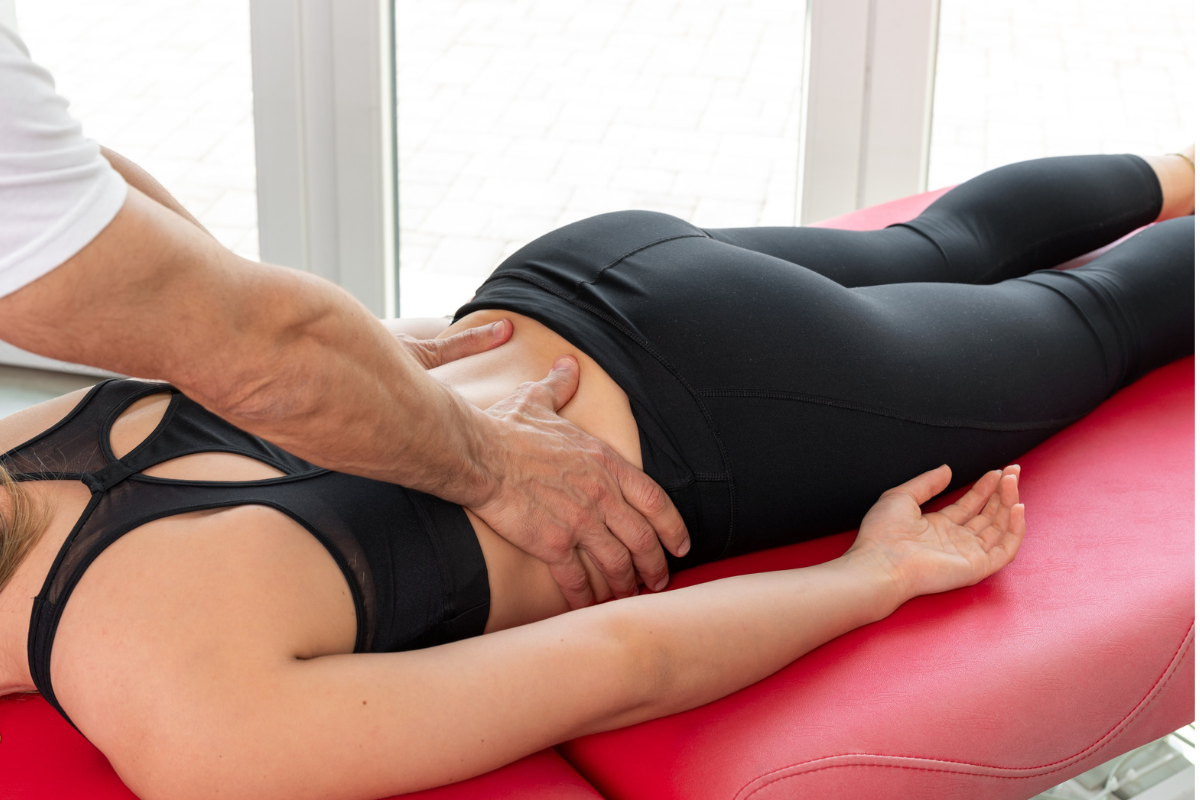
Manual Therapy
Manual Physiotherapy in Mississauga is not the location-specific service requested for Newmarket, but manual physiotherapy techniques can generally be used as part of a broader rehabilitation approach when clinically appropriate.
Hands-on techniques may be used alongside exercise and education to address movement restrictions or musculoskeletal symptoms.
For Newmarket patients, Manual Physiotherapy in Mississauga should not be interpreted as a Newmarket service location; the appropriate local service is the clinic’s physiotherapy offering in Newmarket.
Education and Activity Guidance
Understanding what aggravates your symptoms can be an important part of recovery.
A physiotherapist may provide guidance on:
- Sitting positions
- Lifting techniques
- Exercise modification
- Work activities
- Sleeping positions
- Gradual return to activity
- Home exercises
The objective is to help you remain appropriately active while managing symptoms.
When Should You Seek Help for Sciatica?
Consider speaking with a healthcare professional if your symptoms are persistent, worsening, or interfering with normal activities.
You should seek urgent medical attention if back and leg symptoms are accompanied by serious warning signs such as:
- New loss of bladder or bowel control
- Numbness around the groin or saddle region
- Significant or rapidly progressing weakness
- Severe symptoms following major trauma
- Other concerning systemic symptoms
These symptoms require prompt medical assessment rather than relying on physiotherapy alone.
Sciatica Treatment in Newmarket
If you are experiencing Sciatica in Newmarket, an assessment can help determine whether your symptoms appear consistent with nerve-related pain and what factors may be contributing to your difficulties.
I AM Physiotherapy Clinic in Newmarket provides physiotherapy services that can support patients dealing with musculoskeletal pain and movement limitations. Treatment should be based on an individual assessment rather than assuming every case of sciatica has the same cause.
Physiotherapy in Newmarket may be particularly useful when sciatica is affecting walking, sitting, exercise, work, or everyday activities.
A personalised rehabilitation plan may focus on improving movement, strength, physical function, and confidence with appropriate activities.
What Can You Do at Home?
While your specific recommendations should depend on your assessment, some general principles may be useful.
Avoid Prolonged Inactivity
Complete bed rest is not generally appropriate for most uncomplicated back problems. Gentle movement and maintaining suitable daily activities may be preferable when tolerated.
Change Positions Regularly
If sitting aggravates your symptoms, changing position periodically and taking comfortable movement breaks may help reduce prolonged loading.
Modify Exercise Temporarily
You may not need to stop all exercise. Instead, exercises that significantly increase your symptoms may need to be modified while you rebuild your tolerance.
Follow Your Rehabilitation Programme
If you have been assessed by a physiotherapist, follow the recommended exercises and progression rather than repeatedly testing painful movements.
Frequently Asked Questions
1. Can sciatica cause pain all the way down to the foot?
Yes. Because the sciatic nerve pathway extends from the lower back through the buttock and into the leg and foot, nerve-related symptoms can sometimes be felt as far as the foot.
2. Does sciatica always cause lower-back pain?
No. Some people experience more prominent leg pain than back pain. The symptoms depend on the structures involved and the individual presentation.
3. Can physiotherapy help with sciatica?
Physiotherapy in Newmarket may help by assessing movement, strength, mobility, nerve-related symptoms, and functional limitations, followed by an individualised treatment plan.
4. Should I stop exercising if I have sciatica?
Not necessarily. The appropriate activity level depends on your symptoms and diagnosis. Some exercises may need to be modified temporarily, while appropriate movement can often remain part of rehabilitation.
5. Can sitting make sciatica worse?
For some people, prolonged sitting can aggravate symptoms. However, responses vary, so identifying your individual triggers is important.
6. Who can I contact for physiotherapy in Newmarket?
You can contact I AM Physiotherapy Clinic in Newmarket to discuss your symptoms and whether a physiotherapy assessment may be appropriate.
Take the Next Step With Your Recovery
Pain travelling from your lower back into your leg can be uncomfortable and worrying, but understanding the connection between the spine, nerves, and lower limb can help explain why these symptoms occur.
If you are dealing with Sciatica in Newmarket, an appropriate assessment can help identify contributing factors and determine a suitable rehabilitation approach. I AM Physiotherapy Clinic in Newmarket can provide personalised physiotherapy support focused on your symptoms, mobility, strength, and functional goals.
Our team also helps patients manage back pain, hip pain, ankle pain, foot pain, sciatica, sports injuries, arthritis-related stiffness, and general mobility concerns. Through comprehensive assessments and personalised treatment plans, we help patients achieve better balance, strength, stability, and long-term recovery.
Disclaimer: This article is intended for general educational purposes only and should not replace professional medical advice, diagnosis, or treatment. Sciatica can have different causes, and symptoms should be assessed individually. If you experience severe, rapidly worsening, or concerning neurological symptoms, seek appropriate medical attention promptly.