

Introduction
Understanding Pelvic Organ Prolapse
Pelvic organ prolapse in Newmarket occurs when the muscles, ligaments, and connective tissues supporting the pelvic organs become weakened or stretched, allowing the bladder, uterus, rectum, or vaginal walls to descend. This condition commonly develops after pregnancy and childbirth, menopause, chronic constipation, heavy lifting, aging, or pelvic floor muscle weakness.
Symptoms may include pelvic heaviness, a feeling of pressure or bulging in the vagina, lower back discomfort, urinary leakage, difficulty emptying the bladder or bowel, and discomfort during physical activities. Early physiotherapy can often help manage symptoms, improve pelvic support, and reduce the progression of prolapse.
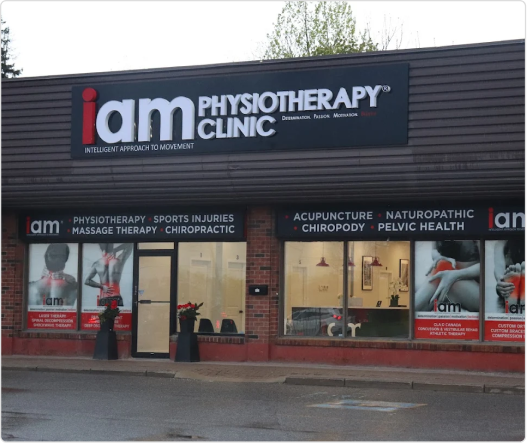
At IAM Physiotherapy Clinic in Newmarket, our experienced pelvic health physiotherapists perform comprehensive assessments to identify the severity of pelvic floor dysfunction and develop personalized rehabilitation plans. Through pelvic floor muscle training, breathing techniques, posture correction, core strengthening, manual therapy, and education, we help restore pelvic support and improve daily function naturally.
We proudly support patients across Newmarket, Aurora, Bradford, East Gwillimbury, Richmond Hill, and York Region with compassionate, evidence-based pelvic organ prolapse rehabilitation designed to improve comfort, confidence, and long-term pelvic health.
-
Call
(289) 466-1140 -
Email
[email protected]
Causes
Common Types of Pelvic Organ Prolapse We Treat
Our pelvic floor physiotherapists in Newmarket assess and treat various forms of pelvic organ prolapse affecting women at different stages of life.
- Bladder Prolapse (Cystocele)
The bladder drops into the front wall of the vagina due to weakened pelvic floor support, often causing urinary symptoms and pelvic pressure.
- Uterine Prolapse
The uterus descends into the vaginal canal as pelvic support structures weaken over time.
- Rectocele
The rectum bulges into the back wall of the vagina, which may lead to difficulty with bowel movements and pelvic discomfort.
- Vaginal Vault Prolapse
This type of prolapse can occur after a hysterectomy when the top of the vagina loses its normal support.
- Mild to Moderate Pelvic Organ Prolapse
Many early-stage prolapse conditions respond well to conservative pelvic floor rehabilitation without surgery.
- Postpartum Pelvic Floor Weakness
Pregnancy and vaginal childbirth can weaken the pelvic floor muscles, increasing the risk of prolapse.
- Menopause-Related Pelvic Floor Changes
Hormonal changes after menopause may reduce tissue strength and contribute to pelvic organ prolapse.
Approach
How We Treat Pelvic Organ Prolapse Conditions
At IAM Physiotherapy Clinic, we create individualized pelvic floor rehabilitation programs that improve pelvic support, reduce symptoms, and enhance daily function.
- Comprehensive Pelvic Floor Assessment
Our physiotherapists evaluate pelvic floor muscle strength, posture, breathing mechanics, core stability, movement patterns, and prolapse-related symptoms to develop an effective treatment plan.
- Pelvic Floor Muscle Rehabilitation
Targeted pelvic floor exercises strengthen the muscles supporting the bladder, uterus, and bowel while improving endurance and coordination.
- Core Stability & Breathing Training
Improving deep abdominal muscle activation and breathing mechanics helps reduce excessive pressure on the pelvic floor and enhances overall support.
- Manual Therapy & Movement Retraining
Gentle manual therapy and movement correction improve posture, mobility, and muscle balance while reducing strain on the pelvic floor.
- Lifestyle & Activity Modification
We provide education on lifting techniques, bowel habits, constipation management, exercise modifications, and daily strategies to minimize pelvic floor stress.
- Long-Term Symptom Management
Our rehabilitation programs focus on reducing pelvic pressure, improving function, preventing symptom progression, and supporting long-term pelvic health.
WHY CHOOSE IAM PHYSIOTHERAPY CLINIC
Why Patients Choose IAM Physiotherapy Clinic for Pelvic Organ Prolapse Care
Personalised Pelvic Organ Prolapse Care Focused on Long-Term Wellness
Patients throughout Newmarket and York Region trust IAM Physiotherapy Clinic for individualized pelvic floor rehabilitation that supports recovery, improves comfort, and enhances quality of life.
- Experienced Pelvic Health Physiotherapists
Our team provides evidence-based treatment for pelvic organ prolapse, postpartum pelvic floor dysfunction, urinary incontinence, and pelvic muscle weakness.
- Individualised Rehabilitation Programs
Every treatment plan is customized to your symptoms, prolapse stage, physical condition, lifestyle, and recovery goals.
- Private & Compassionate Environment
We provide confidential pelvic health physiotherapy in a supportive, respectful, and patient-focused setting.
- Evidence-Based Conservative Care
Our physiotherapy programs help many patients manage pelvic organ prolapse symptoms naturally and improve pelvic floor function without surgery.
Signs That Should Not Ignore
Signs You May Benefit from Pelvic Organ Prolapse Physiotherapy
Consider scheduling a pelvic floor assessment if you experience:
- A feeling of heaviness or pressure in the pelvis
- A bulging sensation in the vaginal area
- Urinary leakage or urgency
- Difficulty emptying your bladder completely
- Constipation or difficulty with bowel movements
- Lower back discomfort associated with pelvic pressure
- Symptoms that worsen after standing or lifting
- Pelvic discomfort during exercise
- Pressure following pregnancy or childbirth
- Reduced confidence in daily activities because of pelvic symptoms
Early physiotherapy intervention can improve pelvic support and help manage symptoms before they worsen.
Importance Of Pelvic Floor Physiotherapy
Benefits of Pelvic Floor Physiotherapy for Pelvic Organ Prolapse
Pelvic floor rehabilitation offers numerous benefits for managing prolapse and improving daily function, including:
- Improved pelvic floor strength
- Reduced pelvic pressure
- Better bladder control
- Improved bowel function
- Increased core stability
- Enhanced posture and body mechanics
- Reduced discomfort during physical activity
- Better support for pelvic organs
- Improved confidence in daily life
- Reduced risk of symptom progression
- Enhanced postpartum recovery
- Improved overall quality of life
Why Choose
IAM Physiotherapy Clinic


The Next Evolution of Rehab
Precision Movement. Clinical Excellence.
At IAM Physiotherapy Clinic in Newmarket, we blend elite biomechanics with targeted spinal and musculoskeletal recovery. We don’t just treat symptoms—we optimize your body’s physical architecture so you can live without limits.
Book Appointment
Meet Our Award-Winning Team
A Multidisciplinary Team Dedicated to Your Health, Recovery, and Well-Being
At IAM Physiotherapy Clinic, our experienced and registered practitioners work together to deliver personalized care that helps you move better, improve function, and maintain long-term wellness.





Patient Experiences
Real Stories. Real Recoveries.
See what patients say about their recovery journey at IAM Physiotherapy Clinic. Our commitment to expert care and personalized treatment has helped hundreds of patients regain mobility and improve their quality of life.


Expert Physiotherapy Care Starts Here
Book Your Physiotherapy Visit – Simple & Convenient
Our team is here to help you recover from injuries, reduce pain, and improve mobility. Book your appointment today and let our experienced team guide you toward lasting recovery.
Frequently Asked Questions
Pelvic Organ Prolapse Physiotherapy in Newmarket – FAQs
Pelvic organ prolapse occurs when the muscles and connective tissues supporting the pelvic organs weaken, allowing the bladder, uterus, rectum, or vaginal walls to descend into the vaginal canal.
Yes. Pelvic floor physiotherapy is an effective conservative treatment for many mild to moderate cases of pelvic organ prolapse. It strengthens the pelvic floor muscles, improves support, and helps reduce symptoms.
Common causes include pregnancy, childbirth, menopause, aging, chronic constipation, obesity, repeated heavy lifting, chronic coughing, and pelvic floor muscle weakness.
Symptoms may include pelvic heaviness, vaginal bulging, urinary leakage, bladder urgency, difficulty emptying the bladder, constipation, lower back pain, and discomfort during physical activity.
Many patients with mild or moderate prolapse experience significant symptom improvement through pelvic floor physiotherapy, lifestyle modifications, and targeted rehabilitation.
Your physiotherapist will review your medical history, symptoms, posture, breathing, movement patterns, pelvic floor muscle function, and create an individualized rehabilitation plan.
Most patients begin noticing improvements within 8 to 12 weeks with consistent pelvic floor exercises and regular physiotherapy sessions.
Yes. Pregnancy and vaginal delivery place significant stress on the pelvic floor muscles and connective tissues, increasing the risk of pelvic organ prolapse.
Yes. A pelvic health physiotherapist can recommend safe exercises that strengthen the pelvic floor while avoiding activities that place excessive pressure on the pelvic organs.
Most extended health insurance plans cover physiotherapy treatment. iam Physiotherapy Clinic also offers direct billing for many insurance providers.
You can book your physiotherapy appointment online through iam Physiotherapy Clinic or contact our team directly for assistance.